ALAIN ELLOUZ AND CHÂTEAU DUCRU-BEAUCAILLOU TURN STONE, LIGHT AND ONE LEGENDARY VINTAGE INTO AN OBJECT THAT BLURS THE LINE BETWEEN WINE AND SCULPTURE.
BY STEPHANIE DAVIS SMITH
In South Florida’s most design-conscious homes, wine is increasingly moving out of the cellar and into view, displayed with the consideration once reserved for art and collectible design. Against the brilliant coastal light and expansive interiors of Miami and Palm Beach, a new creation from France makes a compelling case for the bottle as objet d’art.
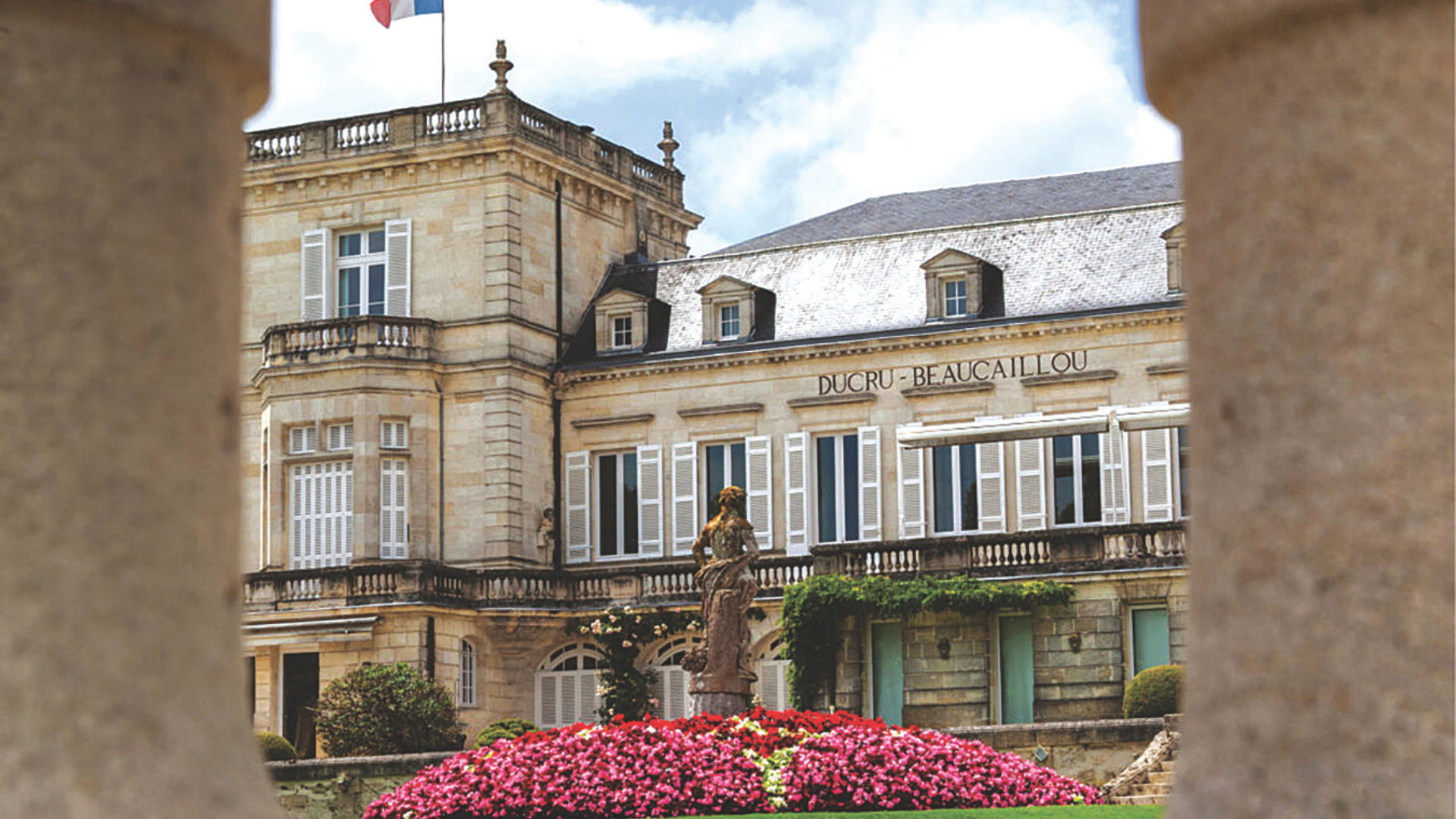
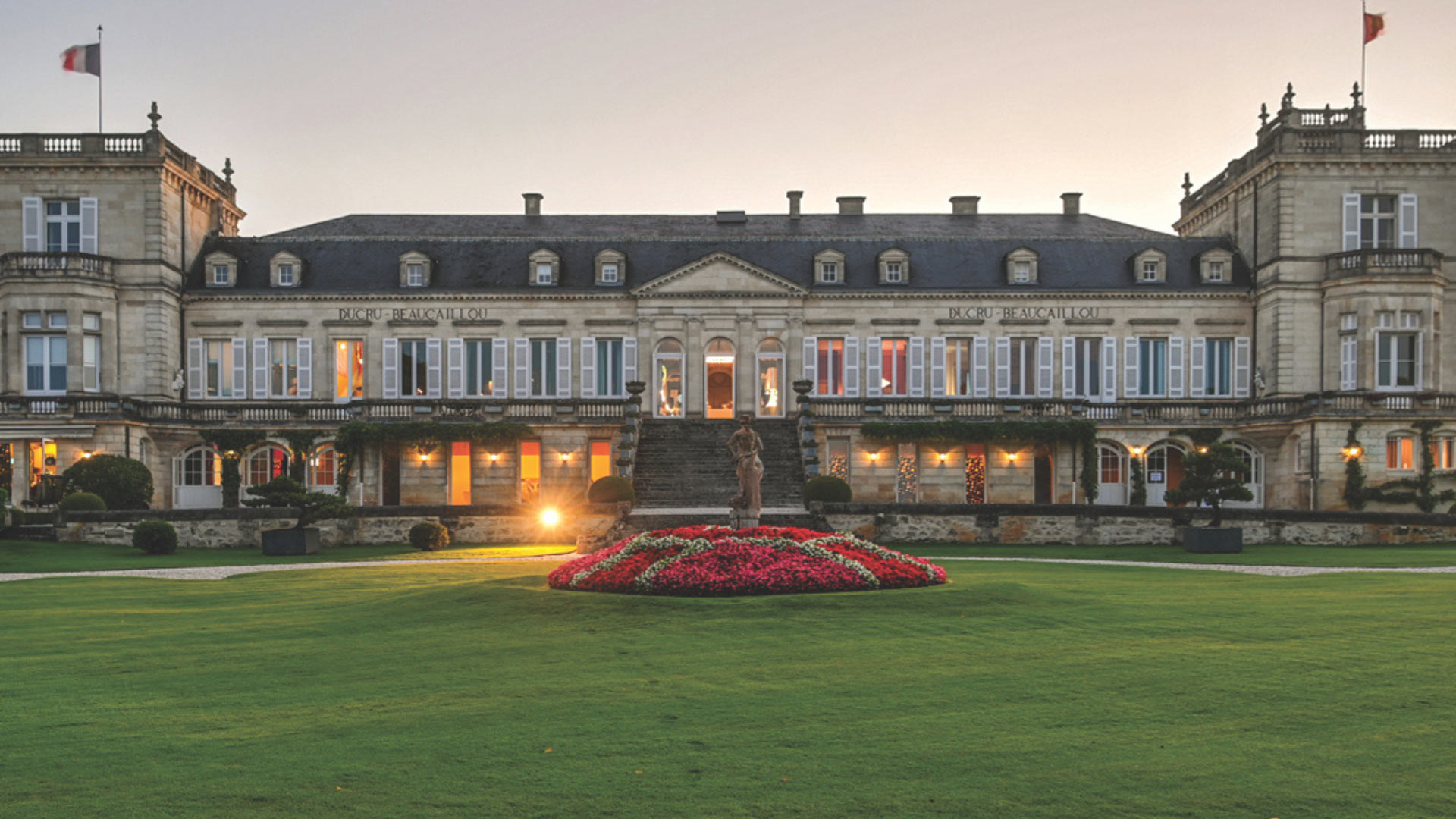
Le Beau Caillou – Série Albâtre, or “Beautiful Pebble – Alabaster Series,” brings together two distinct traditions of French craftsmanship: wine and design. Conceived through a meeting between Bruno-Eugène Borie, owner of Grand Cru Classé estate Château Ducru-Beaucaillou, and master stone artisan Alain Ellouz, the limited-edition release transforms an exceptional vintage into something approaching sculpture.
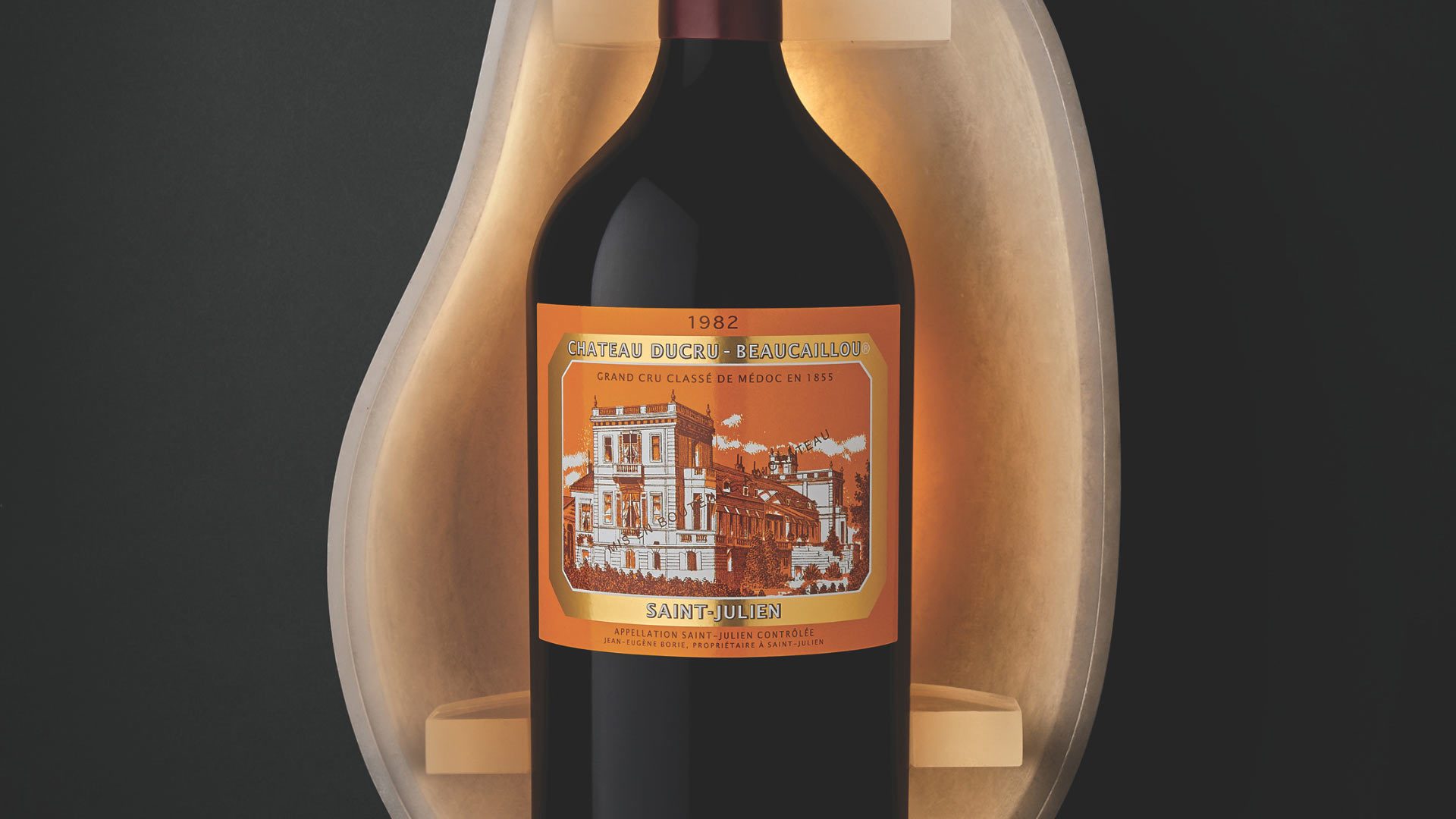
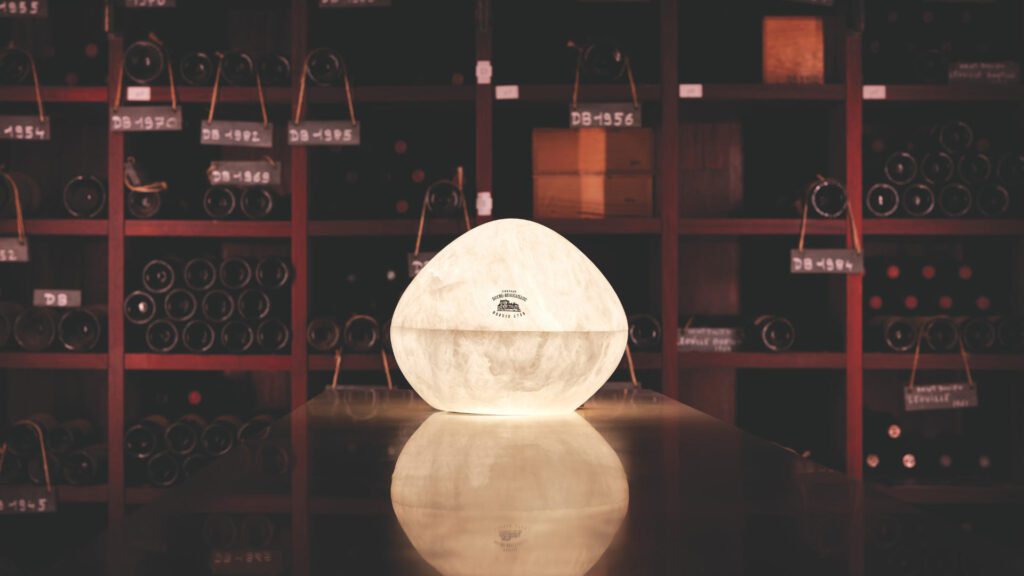
Working alongside designers Amélie Faurens and Xavier Jacona of Studio D-AD-A, the creators carved a monolithic case from a single block of solid alabaster. Encased within is a three-liter double magnum of the château’s celebrated 1982 vintage, drawn directly from its private collection.
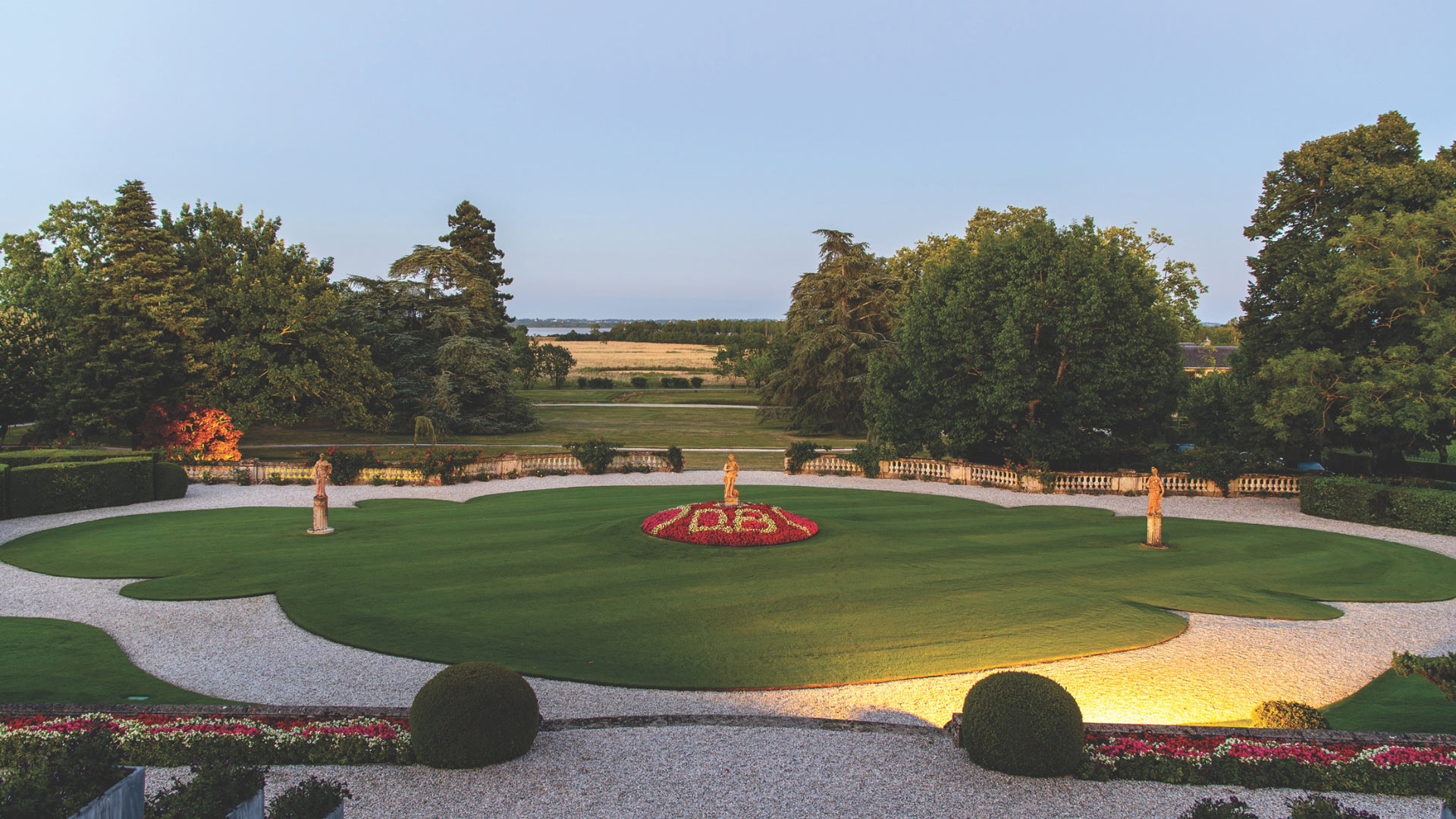
The pairing has a geological logic. The estate takes its name from its terroir, the beau caillou, or “beautiful pebbles,” of Saint-Julien. Over millennia, the Gironde deposited quartz, silex, and Gunzian gravel across the vineyard soils, creating conditions that force the vines’ roots deep into the earth. Ellouz echoes that terrestrial history in alabaster, a stone prized since antiquity for its milky purity and subtle translucency. In a neat geological symmetry, the gravel that helped shape the wine is echoed by the sculpted mineral casing that now protects it.
“Each piece is unique,” says Ellouz. “As the light transcends the material, it exposes the traces left by the passage of time.”
Known for architectural lighting installations in Paris, London and New York, Ellouz chose a material that responds dramatically to illumination. Ambient light filters through the alabaster, revealing mineral veins that appear to glow from within. No two blocks are identical, and each numbered piece bears its own natural fingerprint.
It is this interplay of mass and luminosity that gives Le Beau Caillou its particular presence. For all its physical weight, the object possesses an unexpected visual lightness. Stone, wine and illumination converge in a vessel that connects geological time with the rituals of contemporary collecting, allowing a remarkable vintage to be contemplated long before the cork is ever drawn.