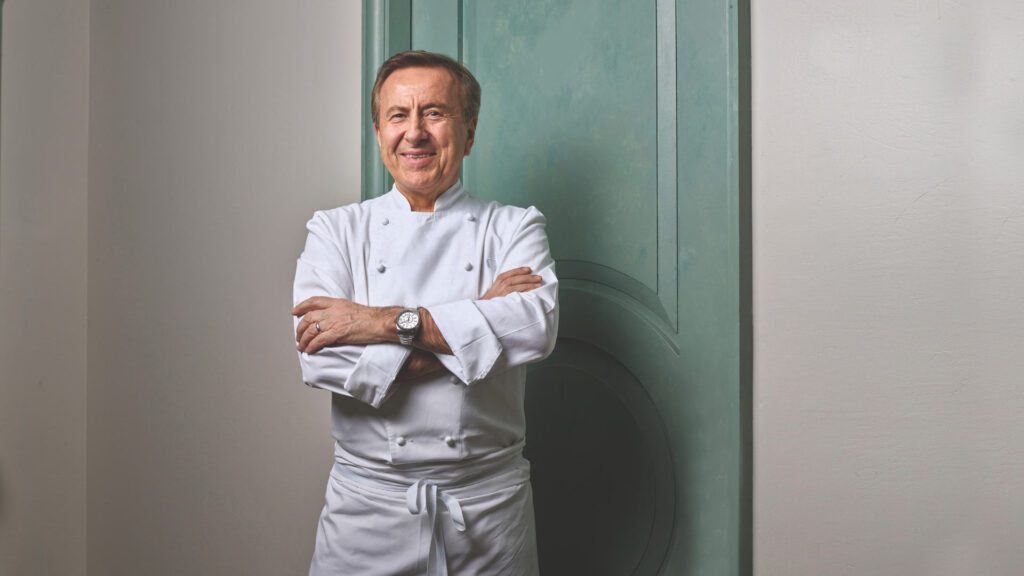
From the Basquiat in the Restaurant Daniel’s dining room to the menu’s creative composition, legendary explains how Miami’s cultural flashpoints inspire his belief that a meal is an ephemeral, yet profound, work of art.
BY ANETTA NOWOSIELSKA
Having operated in Miami for a significant time, how has the city’s gastronomic landscape evolved over the last decade, and what sets its “foodie capital” status apart from other major international cities? I’ve been visiting Miami for many years, and it’s been incredible to witness its transformation from a primarily tourist-driven destination into a vibrant culinary hotspot. Over the past decade, the city has emerged as home to numerous Michelin-starred restaurants, showcasing a diverse range of cuisines from around the world. Miami’s gastronomic identity is both rich and authentic, offering something for every palate. Whether you’re seeking innovative fine dining, traditional international flavors, or unique fusion experiences, the city consistently delivers, setting itself apart as a true culinary capital among major international destinations.
As you know, the South Beach Wine & Food Festival is a major event. Beyond the immediate buzz, what do you believe is the lasting impact of the festival on the local Miami culinary community and the broader perception of dining culture? The South Beach Wine & Food Festival is an incredible platform for showcasing the talent of chefs and restaurants from Miami and beyond. I admire how it brings together locals and visitors alike, uniting everyone through a shared passion for food. The festival not only highlights the city’s vibrant culinary scene but also shapes how people perceive dining culture, fostering a deeper appreciation for the creativity and dedication behind hospitality. As the festival continues to evolve, I believe its influence on both the local community and the broader culinary landscape will only grow stronger.
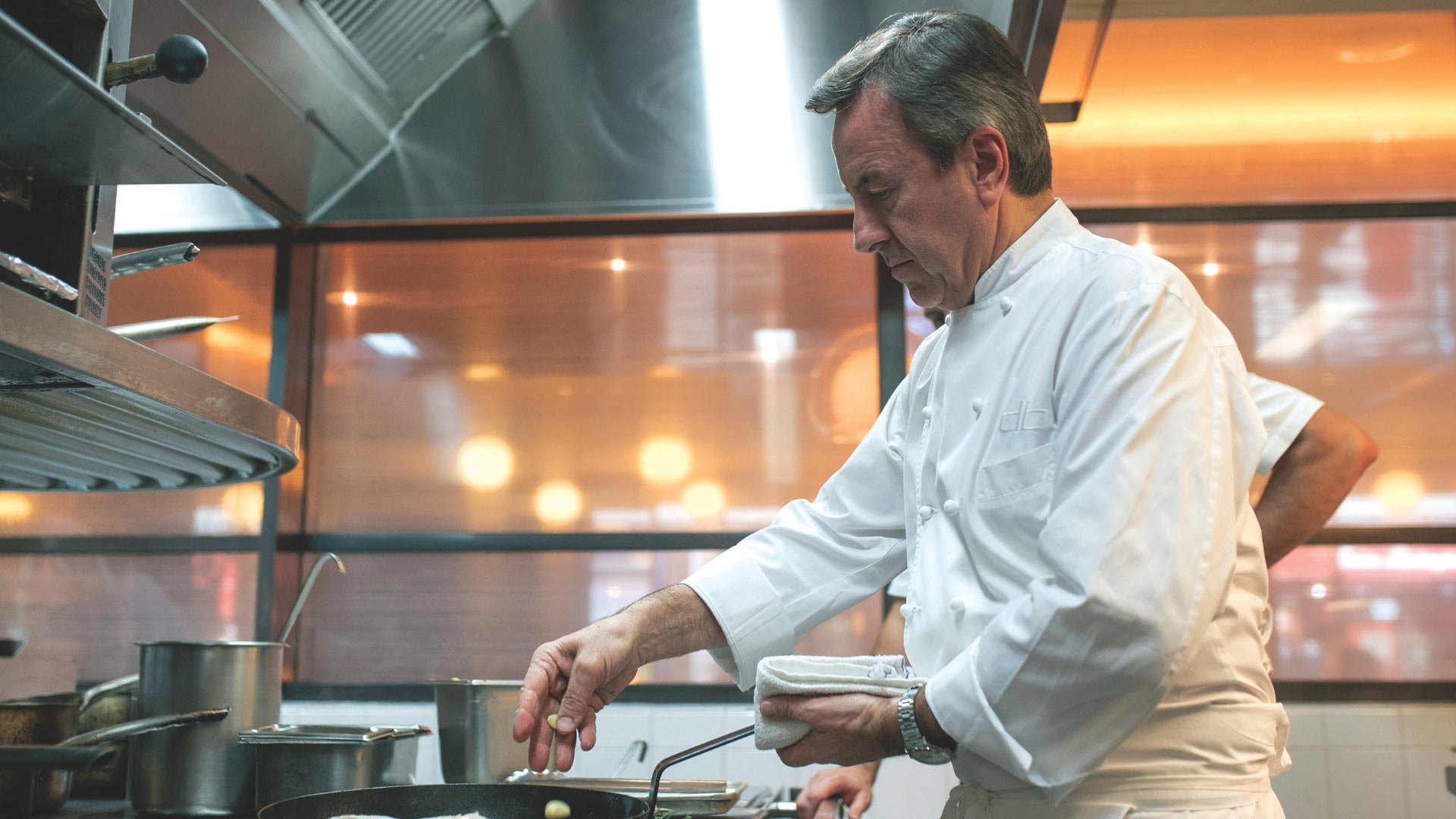
The Art Week is the pinnacle of local cultural flashpoints. How do you capitalize on this week’s influx of world-class collectors and creative energy to inspire the artistry of your own gastronomy? Miami Art Week is a remarkable celebration of the intersection between art and gastronomy. It’s inspiring to witness chefs and artists from across the country come together, collaborating in innovative and unexpected ways. Immersing myself in this creative energy sparks new ideas that I can bring into my own restaurants, and being surrounded by passionate people and diverse artistic expressions constantly pushes me to evolve and experiment in my culinary craft.
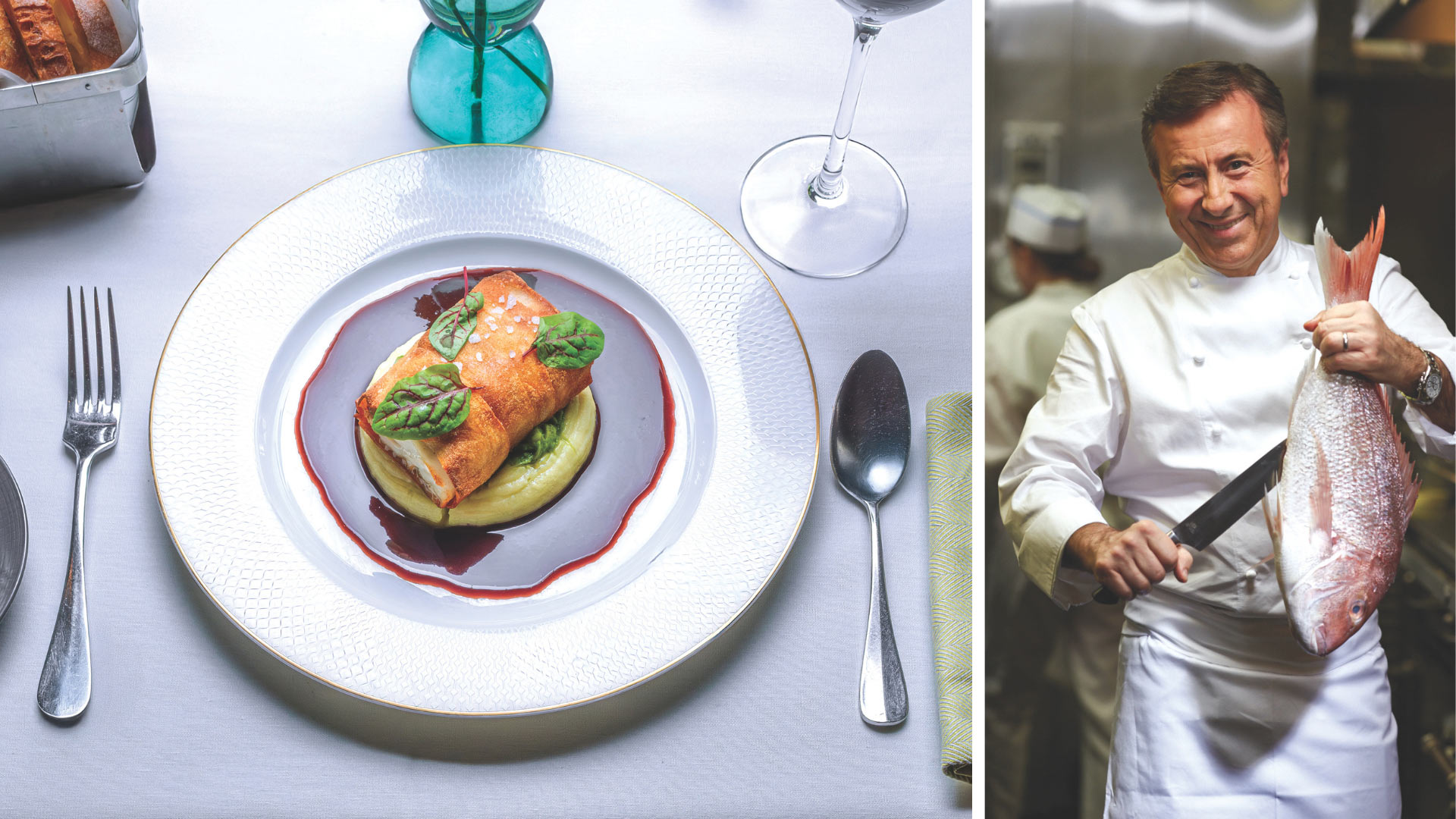
You’ve collaborated with artists like Vik Muniz. Can you elaborate on the philosophy that ties gastronomy to broader culture, and how a meal can be considered an ephemeral yet profound artistic experience? I’ve always been passionate about bringing food and art together. As an art enthusiast, I love showcasing artwork in my restaurants, such as at Restaurant Daniel in New York City, so that guests can engage with multiple forms of creativity alongside their meal. I’m thrilled about our new installation, which features stunning works by Andy Warhol, Jean-Michel Basquiat, and Ouattara Watts. Like art, cuisine reflects culture, tradition, and storytelling—every dish has a narrative, just as every painting does. Even in the kitchen, the process is deeply artistic: from selecting the finest ingredients to thoughtfully crafting the presentation, each element is designed to evoke emotion. At Café Boulud, for example, we use both flavor and visual composition to create moments that are ephemeral yet profoundly expressive, allowing diners to experience cuisine as a true work of art.
Your Miami restaurant focuses on Mediterranean flavors. How does this menu allow you to express a different “soul” of cooking compared to your flagship French restaurant, Daniel in New York, and how has it been tailored for the Miami clientele? I’ve developed a deep appreciation for the Mediterranean region’s rich traditions and diverse flavors. While many of my restaurants highlight classic French cuisine, Boulud Sud draws inspiration from the warmth, soulfulness, and vibrancy of Mediterranean cooking. The two culinary traditions complement each other, often sharing ingredients, spices, and a focus on seasonal produce. Whereas French cuisine is celebrated for its richness, the Boulud Sud menu emphasizes lighter flavors, with a particular focus on fresh seafood. Miami, as a coastal city, provides the perfect setting for this approach, allowing guests to feel transported to the Mediterranean with every bite.
The “Daniel Boulud school” has forged many of today’s celebrated chefs. What is the most indispensable, non-negotiable lesson you impart to a young chef destined for the heights of fine dining? First and foremost, it’s essential for a young chef to receive a solid foundation through a reputable culinary or hospitality school. Once the basics are mastered, finding a mentor who challenges and inspires them to reach their fullest potential is crucial. But beyond technical skill and experience in the kitchen, a young chef must also travel and explore diverse cuisines. Exposure to different cultures and flavors expands creativity, broadens knowledge, and ultimately shapes a chef capable of achieving excellence at the highest levels of fine dining.
Your work with initiatives like Citymeals on Wheels is well known. Given the challenges of the last few years, what is the current priority and vision for your philanthropic efforts in the hospitality world? Citymeals on Wheels is an organization that is very close to my heart. Having worked in the food and hospitality industry for many years, I understand the importance of making guests feel welcomed and at home in my restaurants. I hope to extend that same sense of care and comfort to the broader community. Giving back—especially by sharing my passion for cooking with those who need it most—remains a central focus of my philanthropic efforts, and it’s a commitment I intend to continue and expand.