5 SOUTH FLORIDA CREATIVES WHOSE WORK IS QUIETLY REDEFINING THE CULTURAL VOCABULARY OF A PLACE.
BY RILEY KAMINER
Culture rarely announces itself.
It doesn’t arrive with a ribbon cutting or emerge fully formed from a museum opening. It accumulates quietly, through the work of individuals who become preoccupied with the same questions, often without realizing they’re asking them together. Taken individually, they are singular practices. Taken together, they begin to describe the character of a place.
South Florida has become fertile ground for this kind of creative dialogue. Here, geography, migration, ecology, and an unmistakable quality of light don’t simply provide inspiration; they become collaborators. The five creatives featured here work in different disciplines and speak different visual languages. Yet each is expanding the conversation about what contemporary South Florida looks like, remembers, values, and imagines.
THE OBJECTS WE KEEP
MEMORY HAS A PECULIAR HABIT OF ATTACHING ITSELF TO ORDINARY THINGS.
A cassette tape tucked into a shoebox.
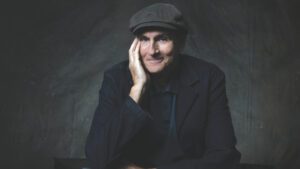
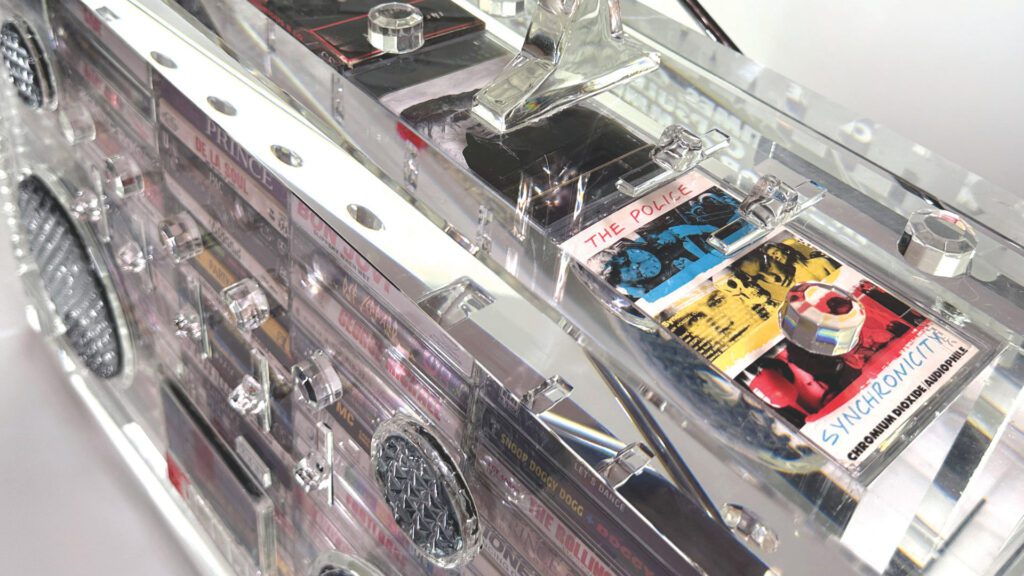
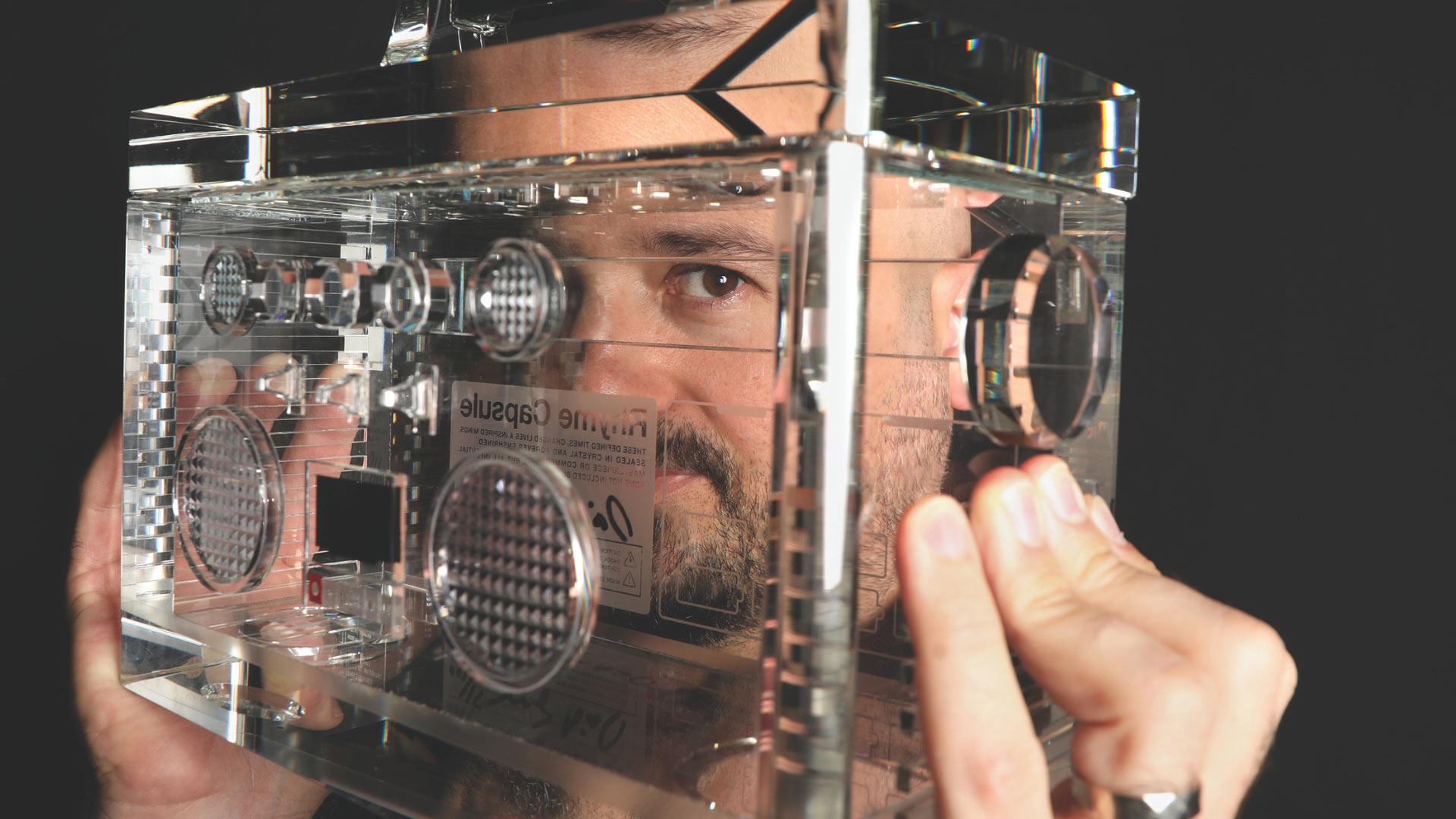
A favorite vinyl record. A weathered boombox. A forgotten toy rediscovered while cleaning out a closet. The objects themselves are unremarkable. What they carry is anything but. That quiet emotional charge lies at the heart of David Schwartz’s work.
Long before turning to sculpture, Schwartz collaborated with Prince, creating album concepts, writing songs, appearing in music videos, and opening for the legendary musician on tour. Years later, after establishing a career in graphic design and creative direction in Los Angeles, a visit to the LA Art Show inspired a new direction—one that traded the digital screen for physical form.
“There’s a glowing feeling when you find something from your childhood you haven’t seen in a long time,” he says. “I like searching for ways to amplify that feeling into a physical piece.”
Drawing on music, vintage media, and the visual culture of the 1980s and ‘90s, Schwartz enlarges, distorts, and reimagines familiar objects until they become something altogether different. His sculptures are playful without slipping into nostalgia, inviting viewers to reconsider the emotional weight of everyday artifacts.
Having recently made Miami home, Schwartz is developing a new body of work inspired by vintage audio formats and surrealism while preparing for a Wynwood exhibition. For him, the city’s layered influences—music, street art, food, and cultures from across the Americas—create the perfect environment for an artist fascinated by memory, reinvention, and surprise.
BUILDING BELONGING
ARCHITECTURE OFTEN REVEALS WHAT A CITY HOPES TO BECOME. GERMANE BARNES IS EQUALLY INTERESTED IN UNDERSTANDING WHAT IT ALREADY IS.
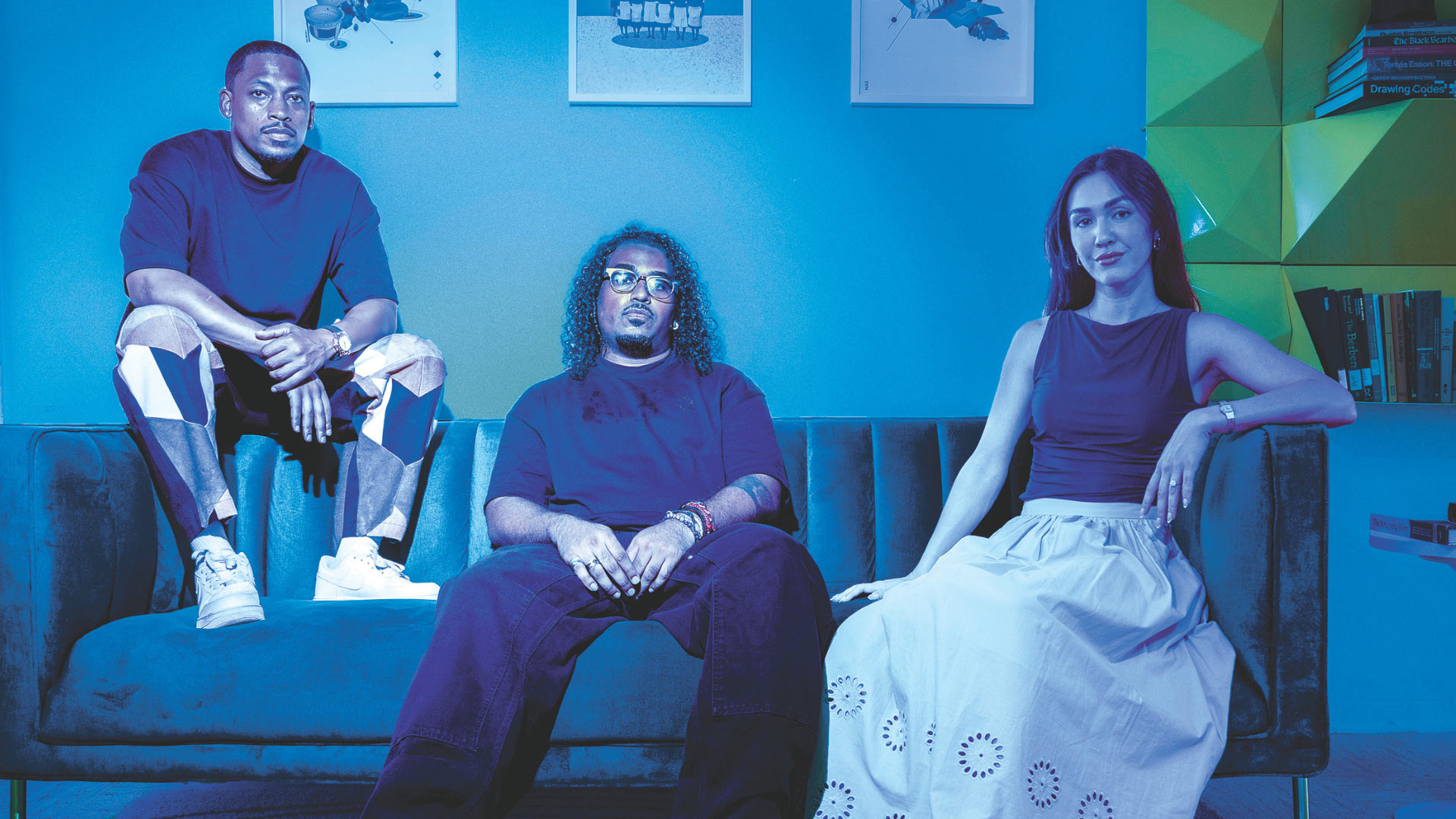
“Our design philosophy is based on the examination of community identity in placemaking,” he says. “We’re inspired by people because we strongly believe that architecture and design are civic practices.”
That belief defines Studio Barnes, the practice he founded in 2017. Rejecting the idea of a signature aesthetic, Barnes approaches every commission through research, observation, and dialogue, allowing each project to emerge from its own cultural context rather than a predetermined style.
“I would not say that we have a signature style,” he explains. “None of our projects look the same.”
The approach has earned him international recognition, with work exhibited at the Museum of Modern Art, the Venice Biennale, and the Art Institute of Chicago. Yet his attention remains fixed on communities. Current projects include neighborhood revitalization in Delray Beach, exhibition design honoring pioneering architect Paul R. Williams in Los Angeles, a public art installation in Fort Lauderdale, and a community center in Fort Worth.
Asked what distinguishes South Florida’s creative landscape, Barnes offers a single answer.
“Its youth.”
For him, that youth represents possibility, a region still defining itself, still open to experimentation, and still discovering new ways architecture can strengthen civic life.
THE MEMORY KEEPER
HISTORY TENDS TO CELEBRATE MONUMENTS. AURORA MOLINA HAS DEVOTED HER CAREER TO SOMETHING FAR MORE DELICATE: THREAD.
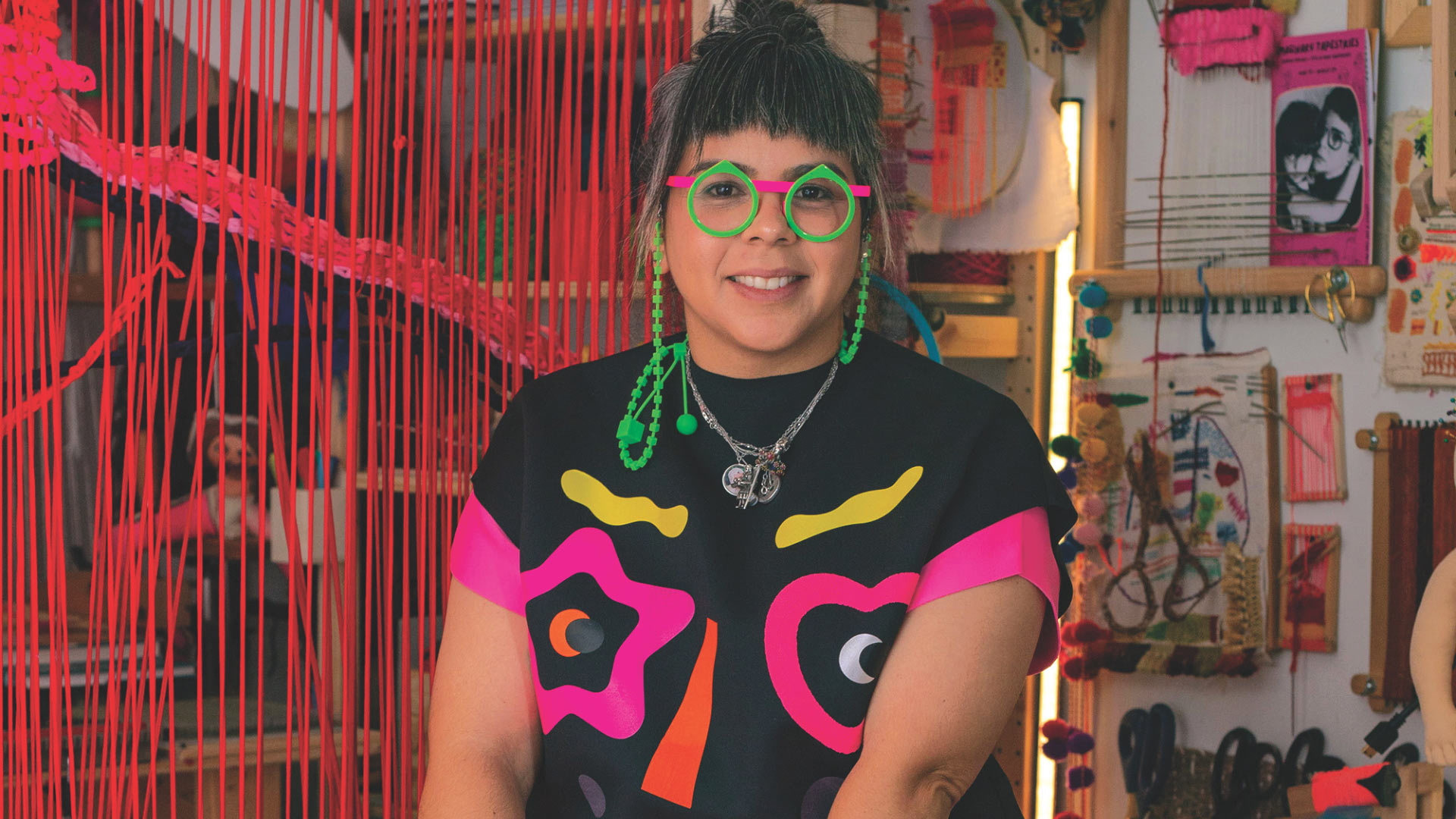
For the Miami-based artist, textiles are not decorative objects but living archives capable of preserving memory long after photographs fade and stories disappear. Working across embroidery, weaving, sculpture, felt, and installation, Molina transforms traditional fiber techniques into contemporary works exploring aging, migration, environmental change, and collective memory.
“I believe textiles are far more than materials,” she says. “They are carriers of memory, identity, and human connection.”
That philosophy runs through her acclaimed Beyond Fibers series, where every stitch functions as both mark-making and testimony. Embroidery becomes a language for preserving overlooked histories and quietly challenging authority, elevating an ancient craft into a strikingly contemporary form of expression.
Molina’s influence extends well beyond her own studio. During the pandemic, she co-founded the Fiber Artists-Miami Association (FAMA), which has grown into a network of more than 300 members and produced Miami’s inaugural Fiber Art Triennial, bringing together more than 80 artists across seven venues. She also founded Red Thread Art Studio in Coral Gables, where a community of fiber artists creates and collaborates under one roof.
“I don’t see these roles as separate,” she says. “Creating opportunities for others and expanding the visibility of fiber art are just as meaningful to me as creating the artwork itself.”
Her newest work, inspired by a residency in Sardinia exploring shepherding traditions, natural dyes, and the legacy of Maria Lai, continues a career built on the belief that even the finest thread can carry extraordinary weight.
THE QUIET ROOM
THE MOST MEMORABLE INTERIORS RARELY DEMAND ATTENTION.
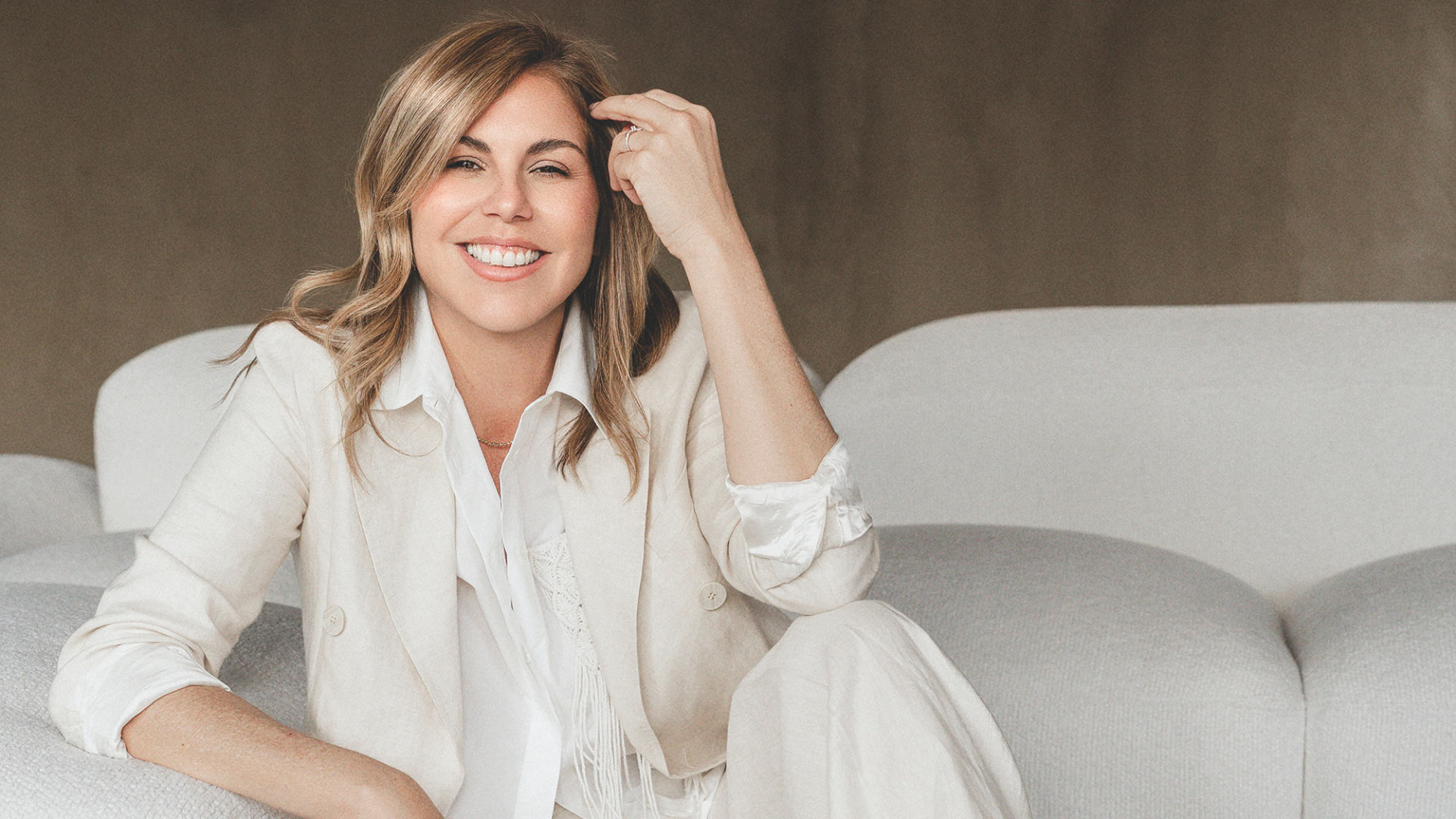
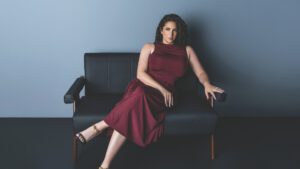
Instead, they reveal themselves gradually, through proportion, texture, craftsmanship, and an intuitive understanding of how people actually live. That philosophy has become the hallmark of Bea Pernia’s work.
“I believe that great design begins with understanding how people live,” she says. “Every project is an opportunity to create spaces that are both deeply personal and timeless.”
Rather than chasing trends or spectacle, Pernia creates interiors defined by sculptural forms, warm woods, natural stone, handcrafted furnishings, and layered textures. She describes her aesthetic as modern organic luxury, but what distinguishes her work is less a style than an atmosphere—rooms that feel calm, welcoming, and quietly sophisticated.
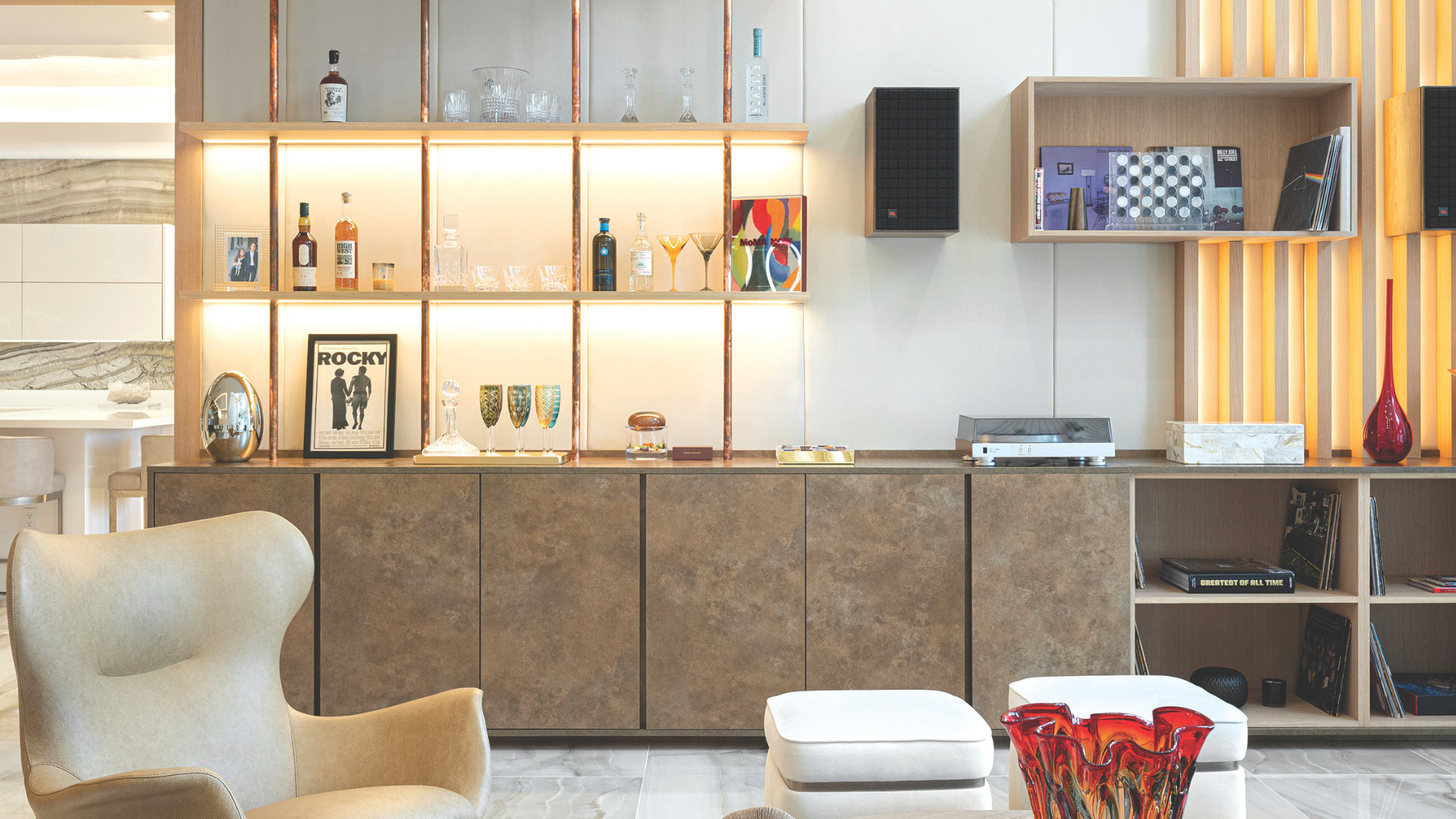
“I strive for spaces that are sophisticated, inviting, and timeless,” she says. “Rather than relying on excess, I focus on craftsmanship, custom detailing, and balanced composition.”
For Pernia, South Florida is an essential collaborator. The region’s extraordinary light, tropical landscape, and seamless relationship between indoor and outdoor living shape every project. Her interiors never compete with their surroundings.
They simply allow them to breathe.
BELOW THE SURFACE
MOST ARTISTS LOOK TOWARD THE HORIZON FOR INSPIRATION. LAUREN SHAPIRO LOOKS BENEATH IT. 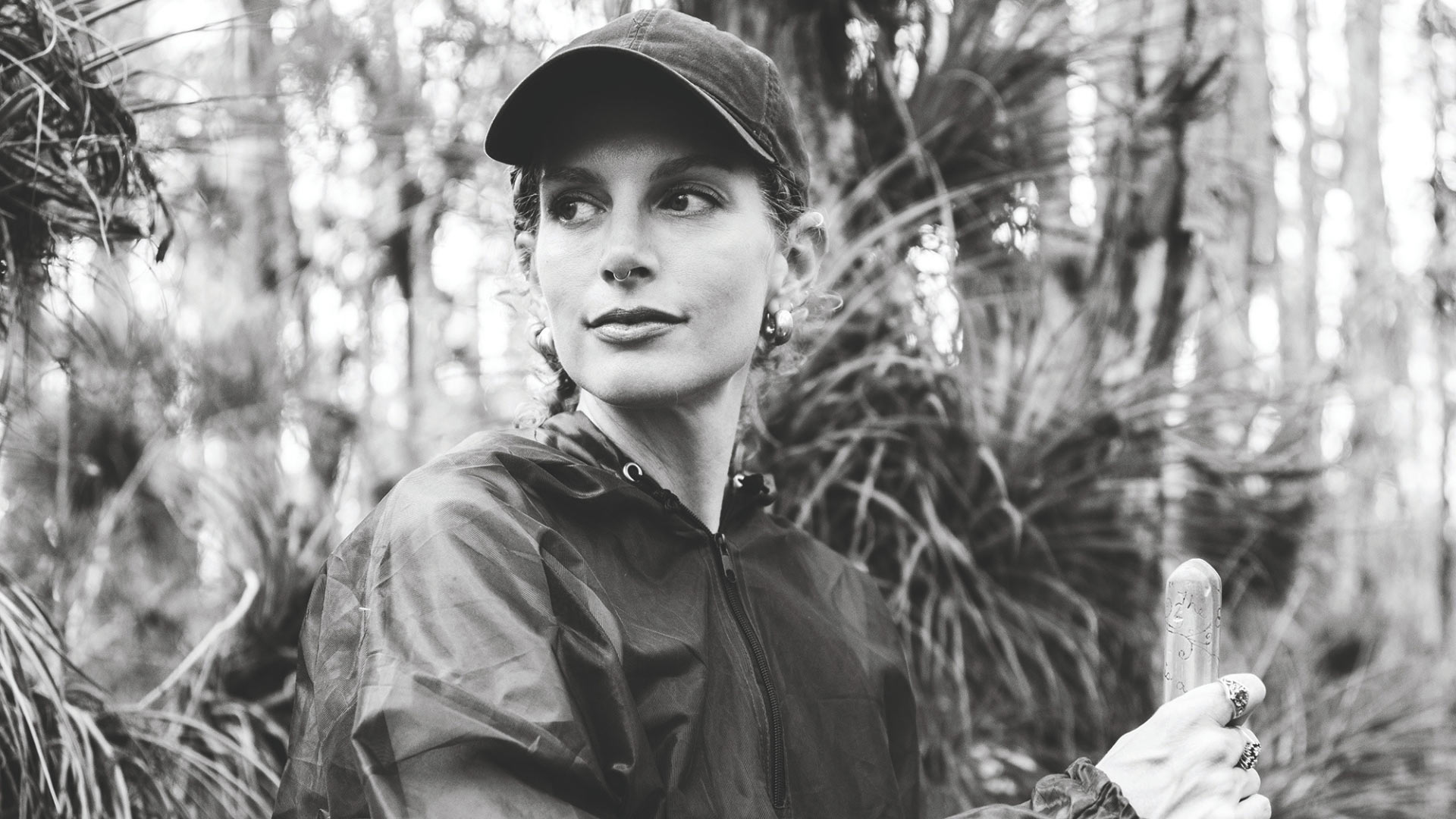
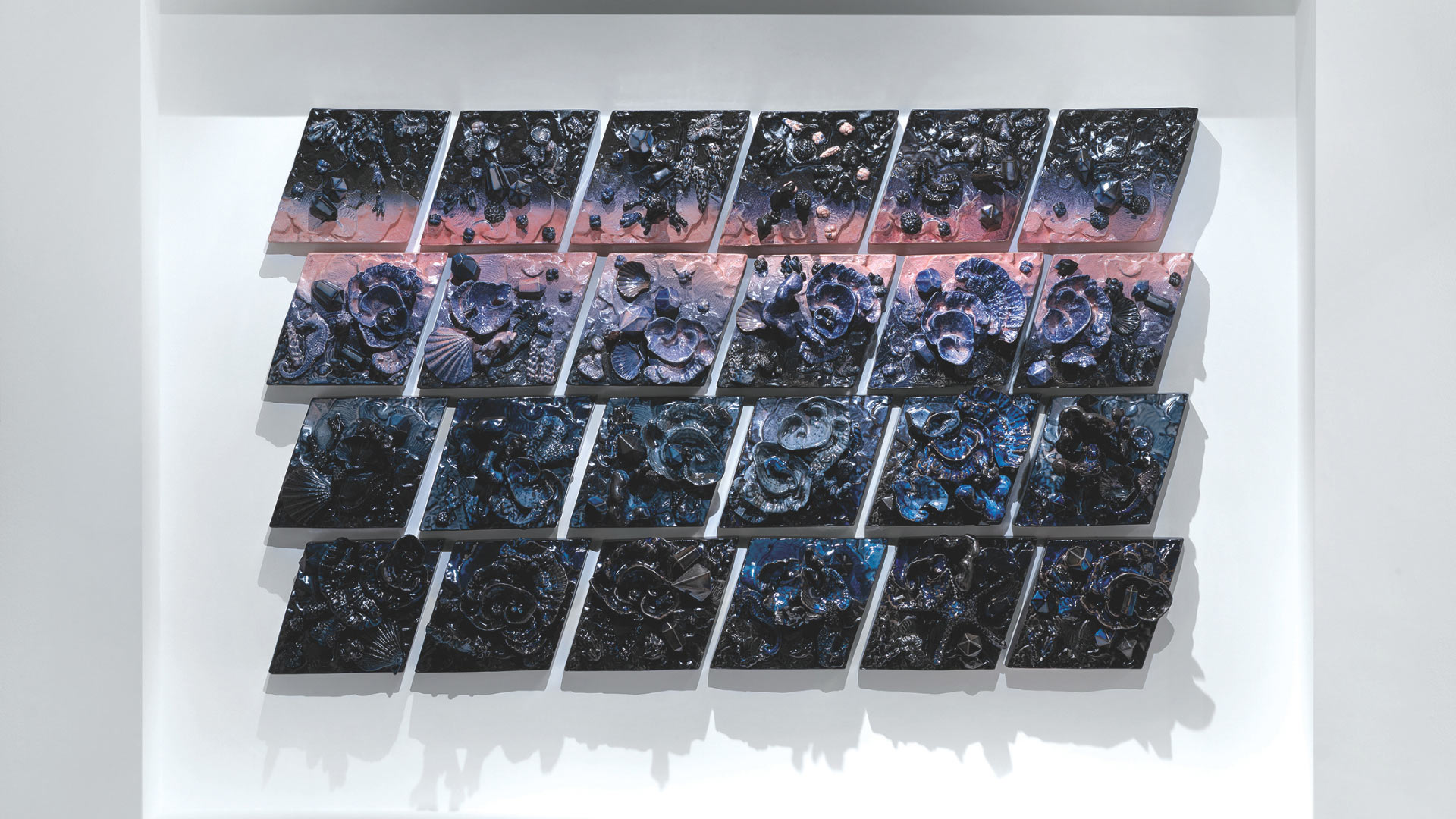
A dedicated scuba diver, Shapiro explores South Florida’s reefs armed with photogrammetry, a sophisticated form of 3D scanning that captures the extraordinary complexity of coral formations. Back in the studio, those underwater discoveries become ceramic sculptures where architecture and ecology appear to merge into a single living language.
“My work is rooted in the idea that nature and the built environment are constantly shaping one another,” she says.
Many of her sculptures begin with the geometry of Miami’s Art Deco and tropical modernist architecture before gradually yielding to coral textures, marine growth, and geological forms. Buildings seem to dissolve into reefs, suggesting a future where the natural world quietly reclaims the built environment.
She is currently developing a permanent installation for Miami-Dade County’s Art in Public Places program while creating commissions for Naples Botanical Garden centered on plant conservation and seed banking. Alongside those projects, she continues expanding a celebrated series of monumental ceramic vessels inspired by years spent underwater.
For Shapiro, South Florida is more than a backdrop.“The major questions shaping our future—climate change, migration, development, adaptation, and our relationship with the natural world—aren’t abstract ideas here,” she says. “We experience them directly.”
Her work reminds us that some of the region’s most compelling stories are unfolding just below the surface.