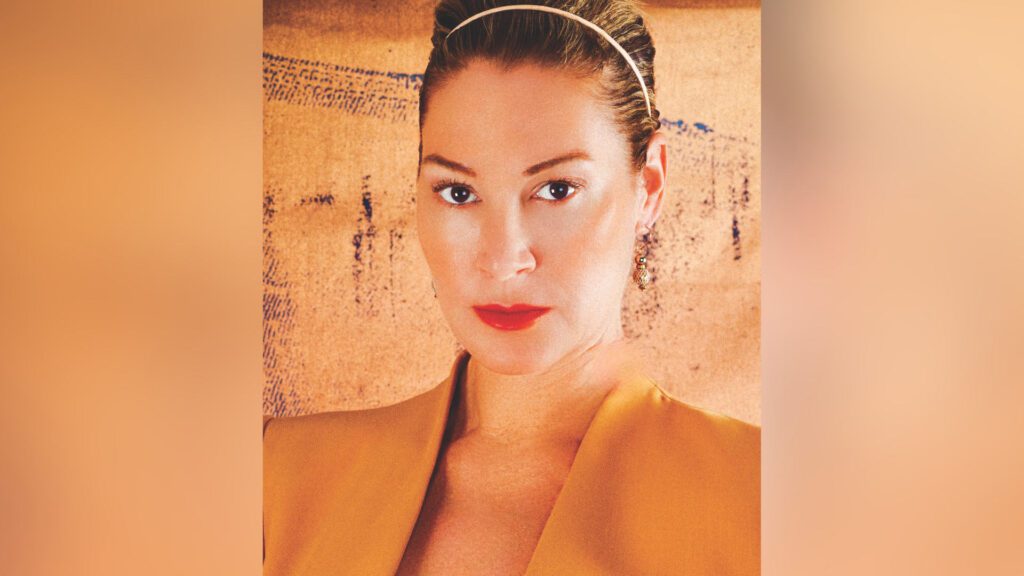
TRANSITIONING FROM PROFESSIONAL DANCE TO SERVING AS THE VICE-PRESIDENT OF GLOBAL PARTNERSHIPS AT DESIGN MIAMI, APRIL MAGEN HAS FOREVER BEEN IN HARMONY WITH CREATIVITY. HERE IS WHAT INSPIRES HER.
BY YOLANDA DEL PINO
ART / Bill Viola’s The Crossing, exhibited in 1996 at the Guggenheim when it existed on the Upper East Side, is a multimedia work that stages a continuous cycle of death, rebirth, and transformation; a modern myth rendered through light, sound, and performance. The piece is sensorial and deeply performative; it uses elemental forces to explore the human condition in a way that feels both ancient and contemporary.
PLACE / My late friend Rick Kaufmann’s home along the Delaware River. Rick founded Art et Industrie, the New York gallery for one-of-a-kind objects created by artists before the category even had a name. His house was a reflection of that spirit: pieces from the gallery, his partner Tracy Rust’s canvases, regional vintage finds, and his cats weaving through it all. Walking into that space was like entering a portrait of a visionary, who saw creativity as a way of life rather than a profession.
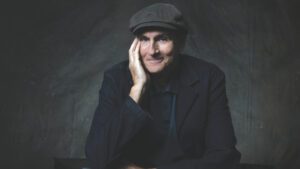
SOUND / Steve Reich’s Music for 18 Musicians, anything by Brian Eno, Thom Yorke and then, often, silence. The cacophony of the fair is noise enough, so I try to keep my listening to experimental soundscape musicians. Their work creates a kind of internal architecture: steady, spacious, and rhythmic enough to keep me centered.
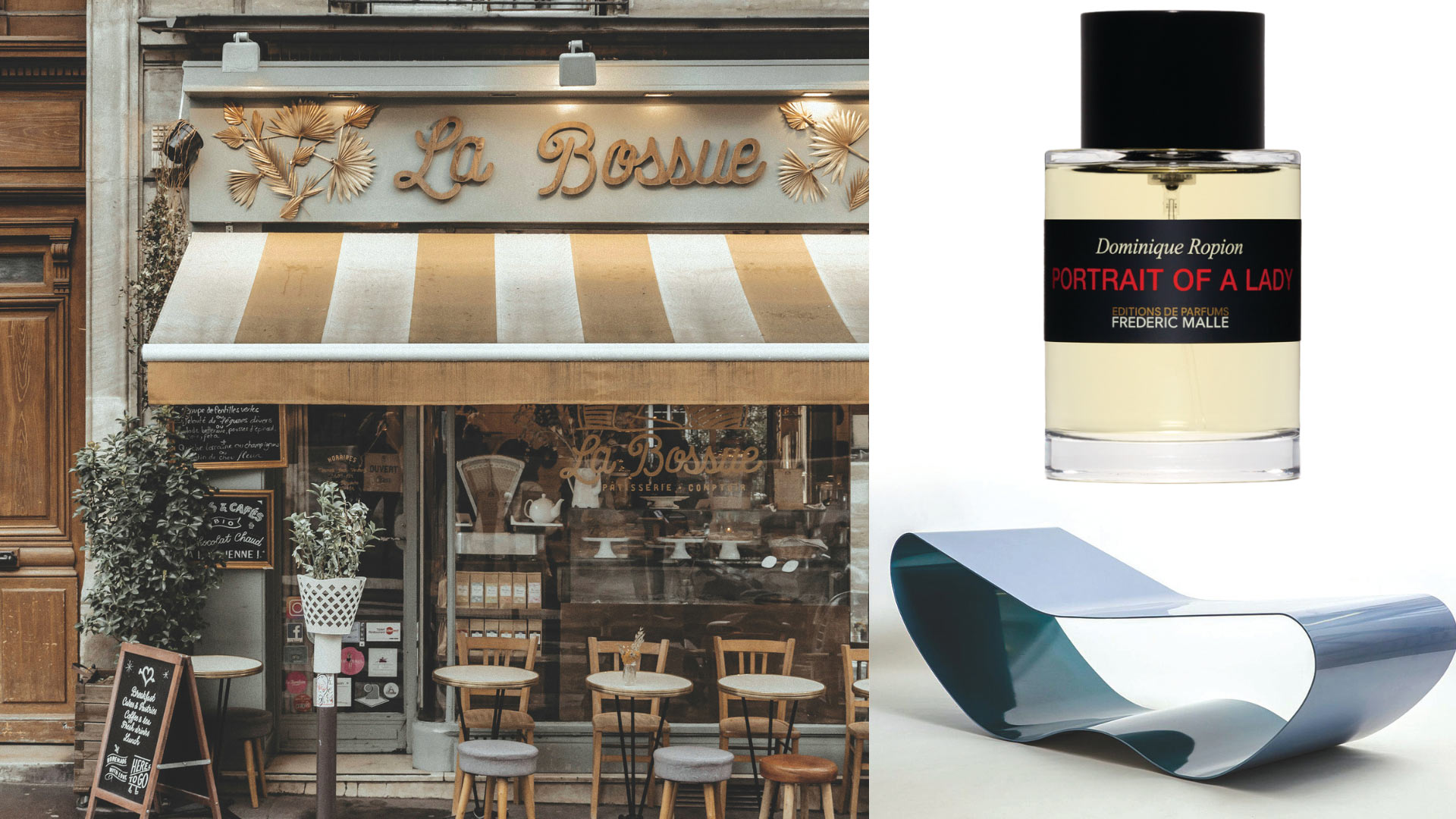
SCENT / Portrait of a Lady by Frédéric Malle; it’s dramatic in the best way. One spritz and I’m back in a mood of velvet curtains, dim lights, and that anticipatory hum before a performance. It’s a scent with a pulse. It doesn’t just smell beautiful; it behaves like a character entering the room.
LOCATIONS / Paris and New York have shaped me in equal measure. I grew up in New York in the early ’90s as a professional modern dancer, during a moment when the performing arts were thriving from the long arc of artists who had poured into the city in the late ’70s and ’80s. It was an impressionable period…Paris, by contrast, refined my eye: its restraint, its historical continuity, and its reverence for craft. Together, they formed the dual lens through which I see creative work today.