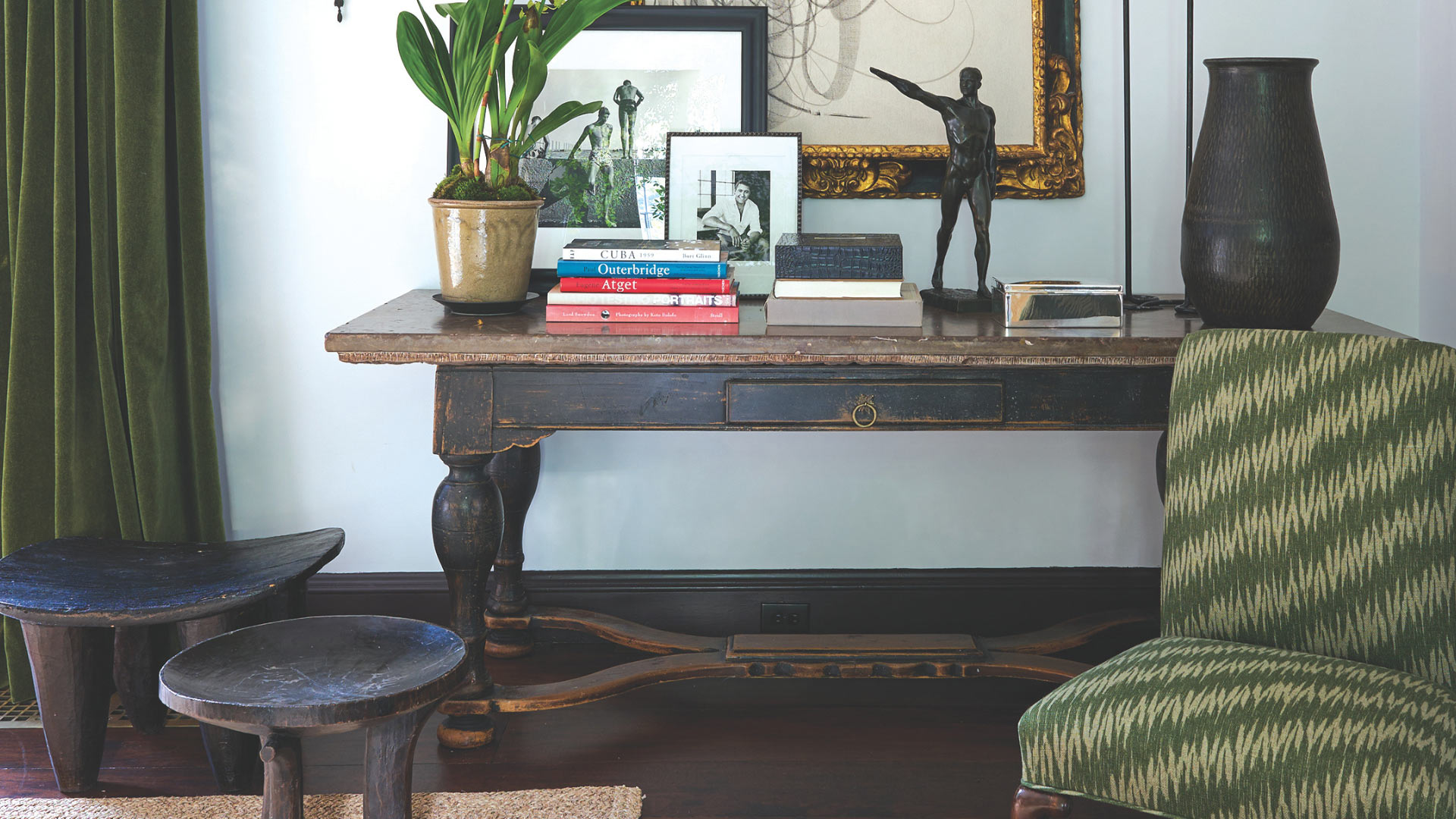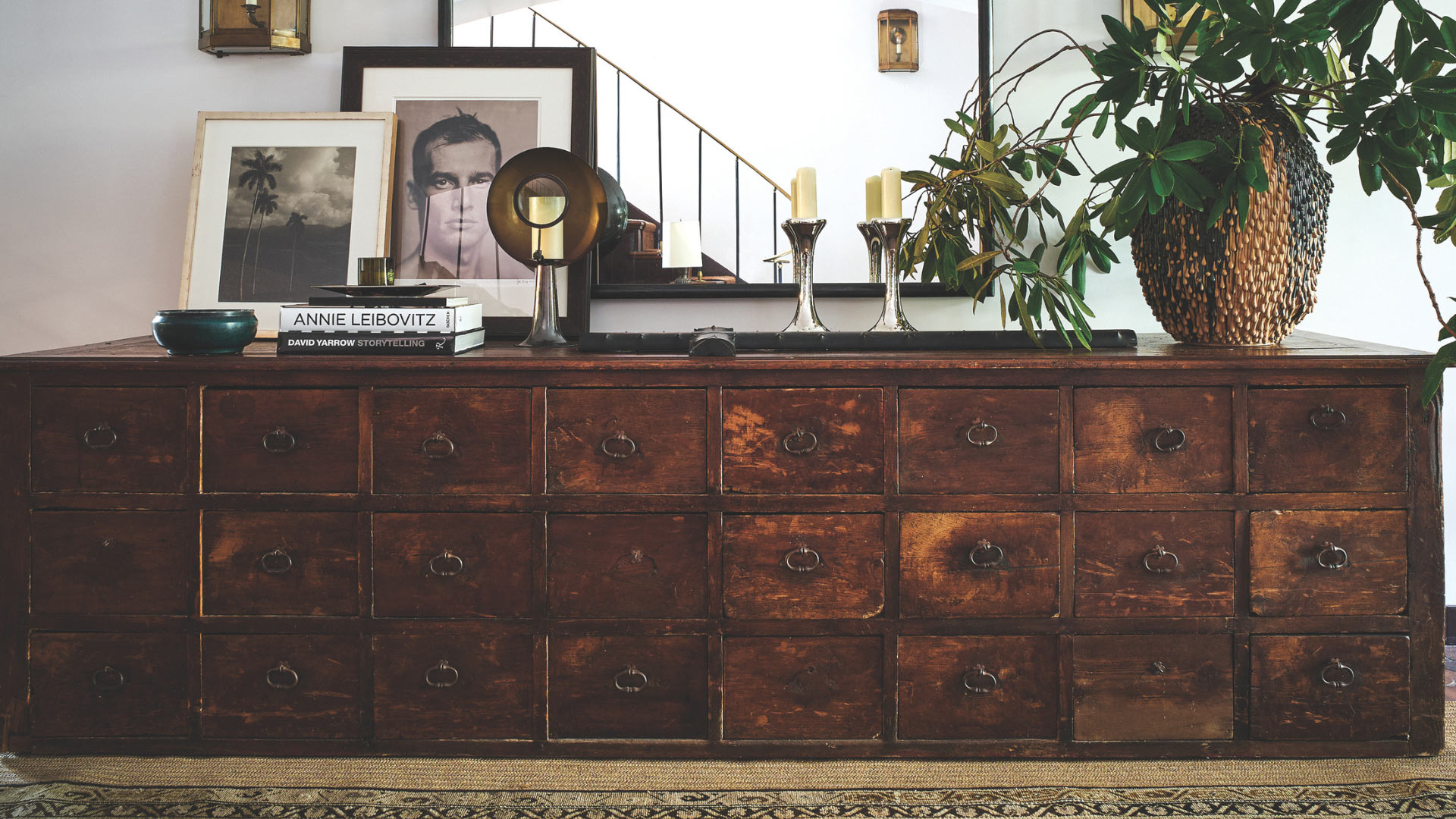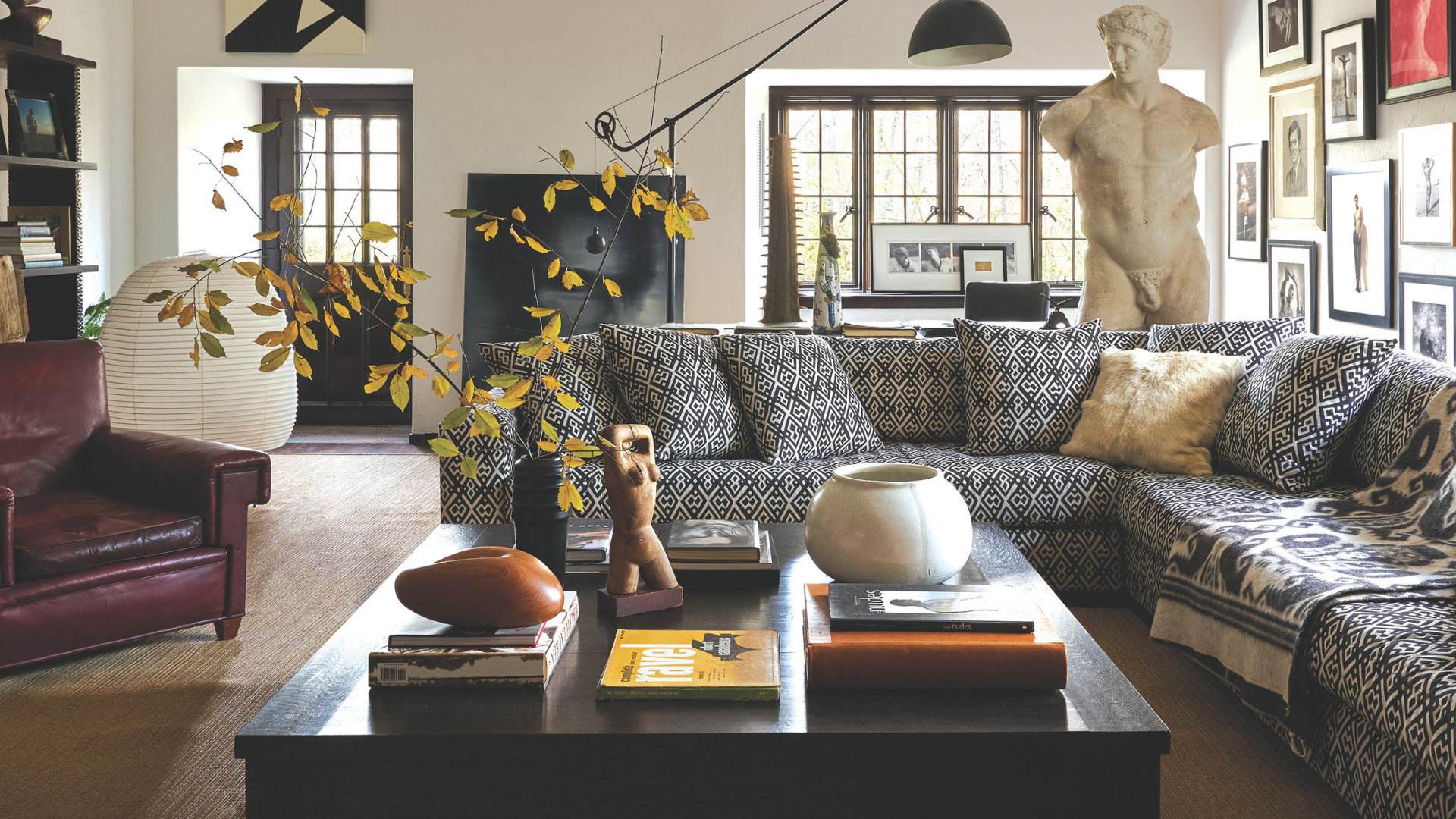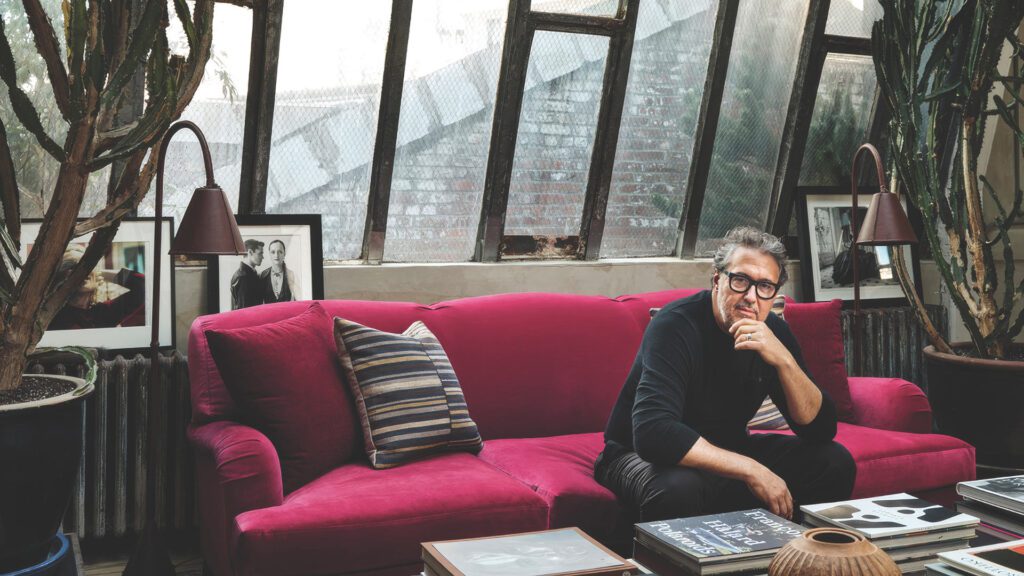
FOR MORE THAN THREE DECADES, ALFREDO PAREDES QUIETLY SHAPED THE VISUAL MYTHOLOGY OF RALPH LAUREN. AS THE CREATIVE MIND BEHIND SOME OF THE BRAND’S MOST EVOCATIVE INTERIORS, INCLUDING THE LEGENDARY POLO BAR IN MANHATTAN AND RALPH’S COFFEE, HE CRAFTED SPACES THAT FELT LESS DECORATED THAN DISCOVERED.
BY IZABELA CANELLE
Now, with the debut of his first furniture collection, Paredes distills that same sensibility into objects designed to outlast trends. Drawing on family memories of Havana, the bohemian spirit of 1970s Coconut Grove, and a lifetime of travel and collecting, each piece reflects the layered, deeply personal worldview that has defined his career. To understand the collection is to understand the references behind it: the places and enduring influences that continue to shape Paredes’ singular point of view.
ORIGINS: COCONUT GROVE, MIAMI
I’m a first-generation Cuban American. My family left Cuba in 1960 or ‘61. It was a beautiful life, but Miami gave us something, too. Coconut Grove in the ‘70s was a collision of worlds: Cuban culture, hippie counterculture, old-world formality, and Afro-Caribbean culture. Running through it was incredible 1930’s Art Deco architecture, buildings with real character, a faded glamour nobody seemed to want at the time. It had a charge to it, even for a kid who didn’t have words for it yet. My family was full of painters and musicians who encouraged that instinct early, and it’s still how I see things today.
PLACE: PARIS
I’ve been to Paris countless times, and it still pulls me in with every visit. Over the years I’ve shopped the Paris Flea Market, drawn inspiration from what I’ve found there, and some of my most meaningful work happened in that city as well. Ralph’s Paris, in Saint-Germain, began as an abandoned government office before we transformed it with leather club chairs, equestrian art, and a courtyard that feels as though it has always belonged there.
MARKET: ROUND TOP ANTIQUES FAIR
Round Top has become one of my favorite places to find things. It’s not about designer names; it’s about real artistry. It fits exactly where my taste has landed: masculine, a little French, country house, but rugged rather than polished. When I’m walking the fairgrounds, I’m not shopping for a client. I’m shopping for whatever is calling to me that day. The thing about vintage is you can’t hesitate. If you love it, you buy it, because it won’t be there tomorrow. That’s the whole game.
BOOK: AXEL VERVOORDT
Axel Vervoordt has been a reference point for me for years. Dark, minimal, a little rustic, mixing the traditional with the contemporary until neither feels out of place. What I’ve really taken from him is discipline: quality over quantity, and the confidence to hold back instead of filling every corner of a room.
ARTIST: MARK ROTHKO
Rothko once said he painted big canvases not to be grandiose, but to be intimate. He wanted people close, not standing back at a safe distance. For him, color wasn’t decoration; it was the emotional architecture of a room. Standing in front of one of his paintings, you feel it before you understand it. I think about that with every room I design. The goal is never to impress with detail. It’s to change how you feel the moment you walk into a room, before you even know why.