MOCA COMMEMORATES ITS 30TH ANNIVERSARY WITH AN EXHIBITION THAT CELEBRATES THREE DECADES OF ARTISTIC RISK AND INSTITUTIONAL FIRSTS.
BY SEBASTIAN PHILLIPS
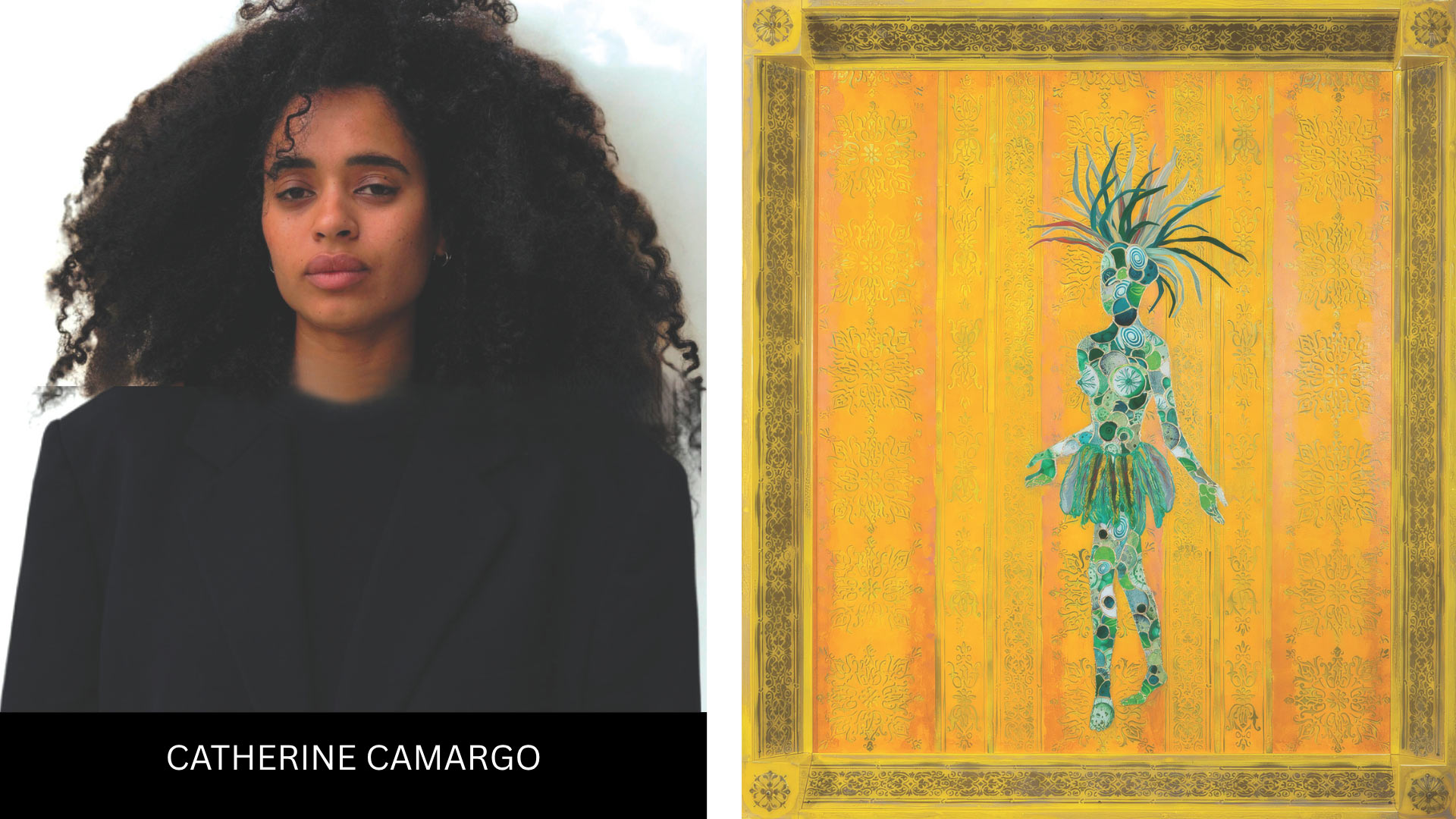
Organizing a 30th-anniversary exhibition for a beloved museum by culling works from its massive permanent collection is as daunting as it sounds. But curator Catherine Camargo didn’t let intimidation get in the way of delivering Anchors of Light, a show that wholly reflects the trajectory of the Museum of Contemporary Art North Miami and its founding vision.
“When I first received the full checklist of the permanent collection and saw it included over 600 works, I was immediately overwhelmed, intimidated, excited… all the emotions,” says Camargo. “I began with an intuitive process, highlighting and grouping works by artists who met certain criteria: artists from Miami, artists whose names I recognized, and works I felt genuinely drawn to, whether through the small documentation image on my checklist or the mysterious title of a piece.”
Then came the process of pulling works from the archives to view them in person and identify the “conceptual, aesthetic, and material connection between them” before making the final cut. After that, it was time to divide and conquer.
“We decided to separate the exhibition into three environments because we wanted to locate the grounding essences within it,” says Camargo. “The Body, The Garden, and The Miami School emerged instinctively as anchors tied to shared experience—our bodies, the city, and the landscape we move through. Together, they reflect MOCA’s history of collecting through curiosity, material experimentation, and intellectual weight.”
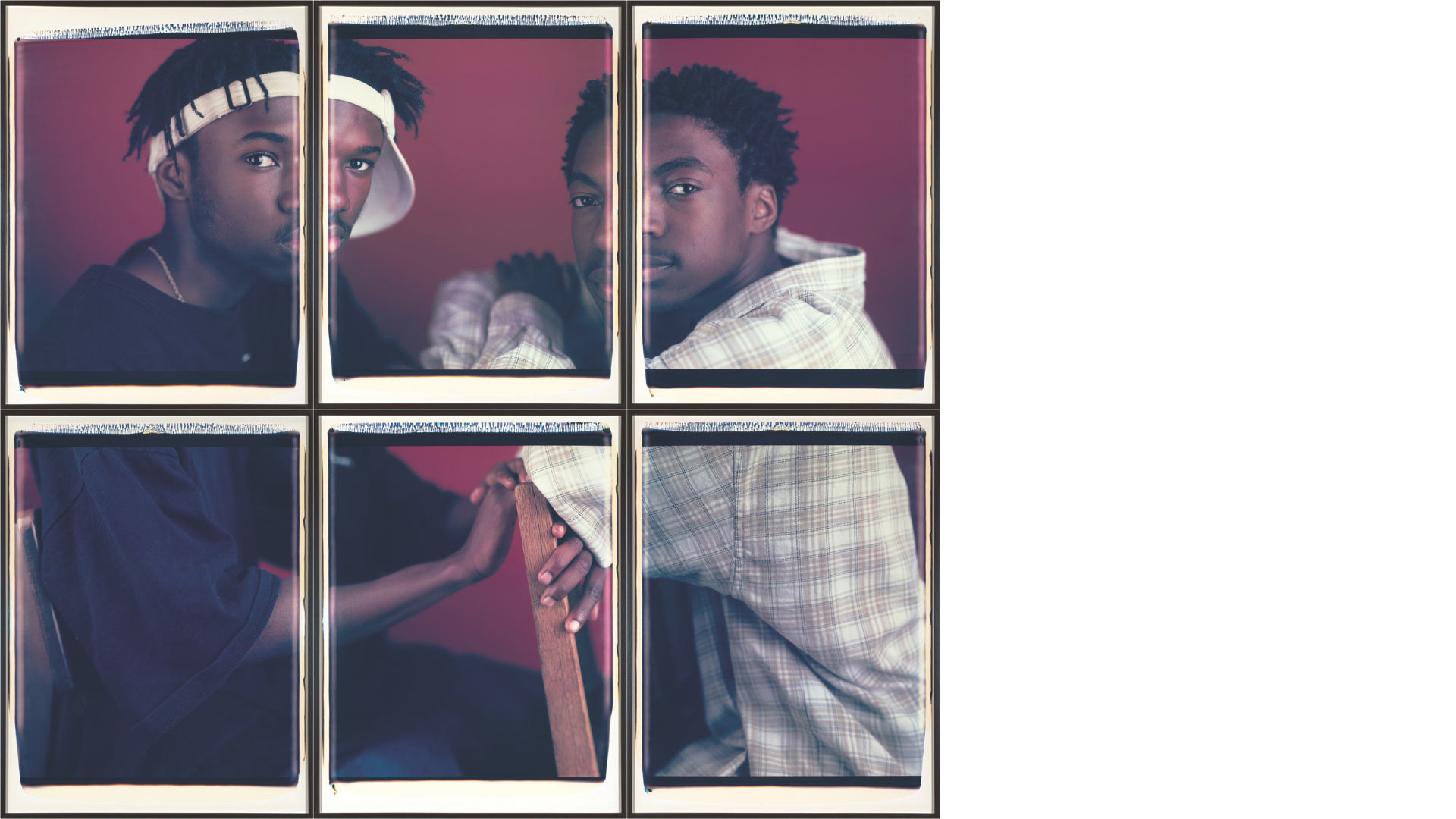
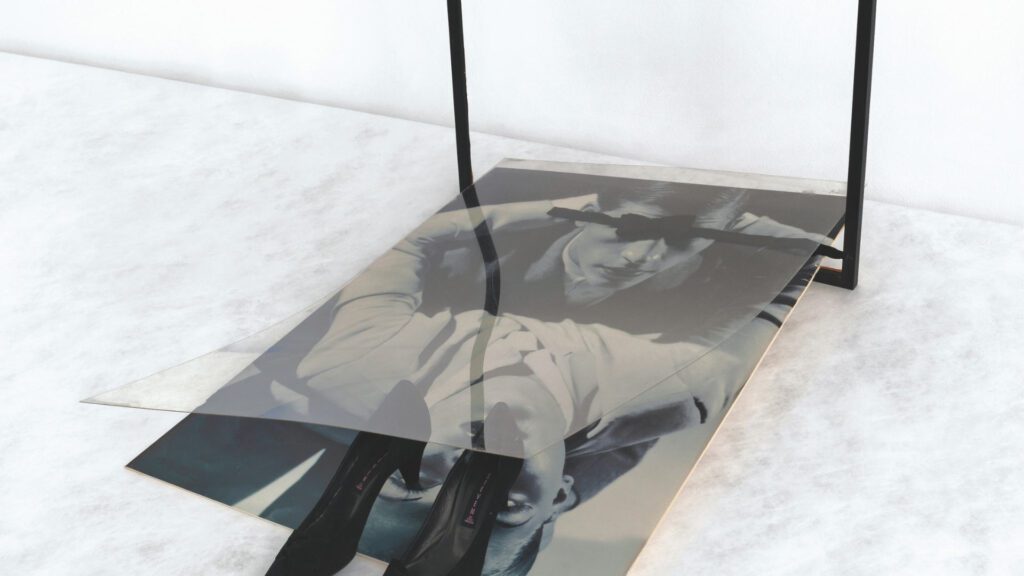
Each section of the exhibition is true to its name. The Body reflects on material that engages the figure, whether literally, conceptually, or politically, with works that confront questions of looking, representation, and power—questions that are important to consider within the walls of a museum. The Garden looks at what takes root and persists beneath Miami’s light, where growth is non-linear and shaped by migration, adaptation, and hybridization. The works in this environment range from literal depictions of flowers and palm wood sculptures to more conceptual and experimental approaches to organic life. The show’s third section, The Miami School, centers on artists from Miami or those deeply tied to the city and examines how cultural foundations are built through lived territory, community, and shared histories. According to Camargo, this last environment was the most challenging to curate: “There’s only so much space in a show spanning 30 years,” she says. “Through conversations with local artists, curators, and museum staff, I began to trace a thread of works that remained in the collection and held a shared material, process-driven, and symbolic curiosity, particularly when brought into conversation.”
While an exhibition of this scope invites myriad interpretations, Camargo believes all viewers will walk away inspired by the depth and complexity of Miami’s art history.
“Throughout the exhibition, there are kinetic works, sound pieces, and large-scale installations that activate multiple senses, and visitors should really allow themselves to absorb it all,” says Camargo. “I hope Anchors of Light is experienced as a series of small, human moments between the viewers and the works.”
MOCA North Miami, mocanomi.org