BEHIND THE GEORGIAN FAÇADES AND UNMARKED DOORS, A QUIETER FORM OF WEALTH IS RESHAPING HOW AFFLUENT AMERICANS LIVE ABROAD.
BY RILEY KAMINER
In Miami, wealth likes sunlight. In Mayfair, it prefers polished brass, hidden courtyards, and a reservation nobody else can get.
That contrast is becoming increasingly relevant as more ultra-high-net-worth Americans look at London not simply as a place to park capital, but as a second rhythm of life. And for a growing number of Miami buyers, Mayfair has become the European counterpart to their oceanfront existence: quieter, older, more discreet, but no less luxurious.
The funny thing is, it is often the exact same buyer moving between both worlds.
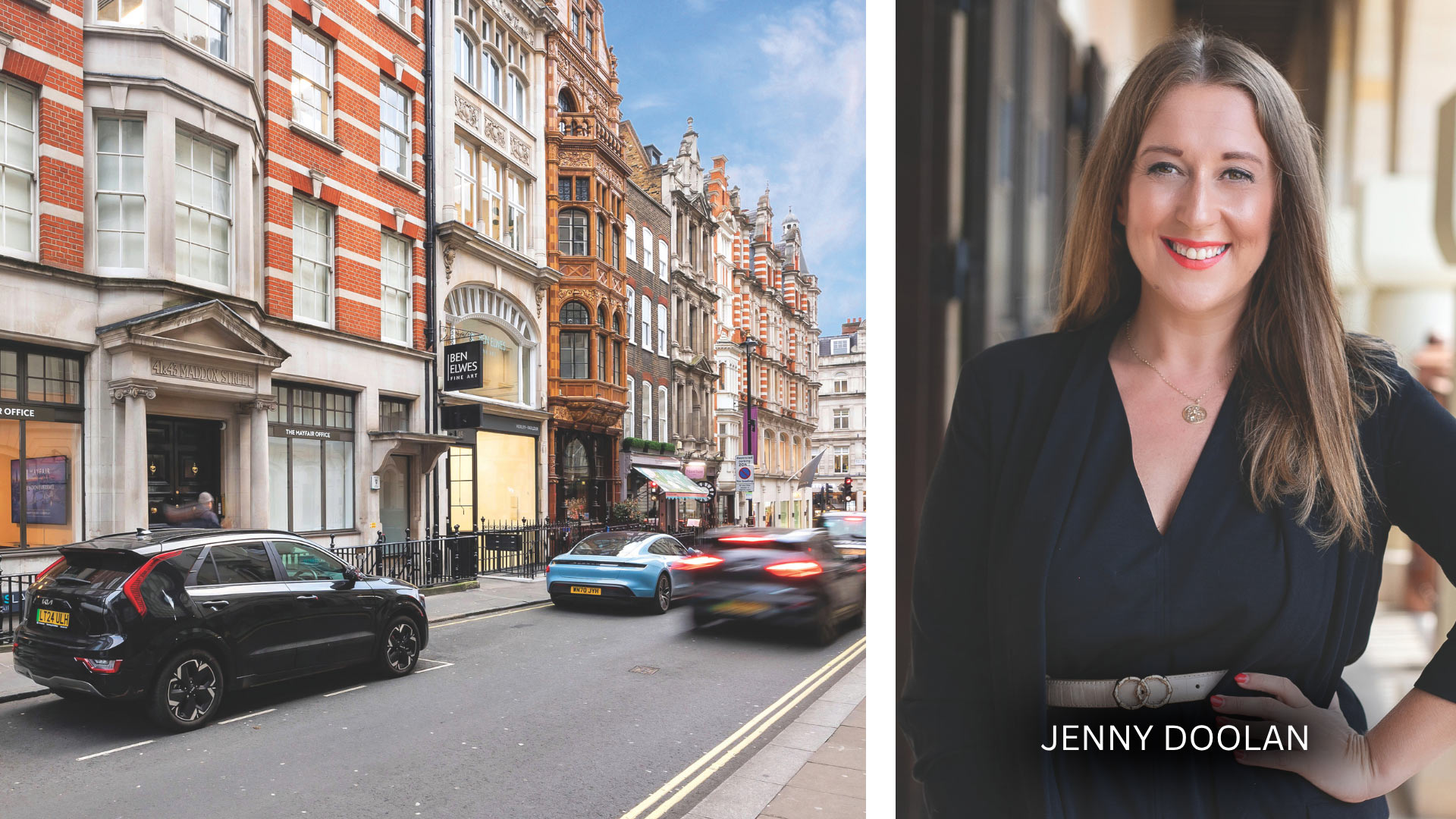
In Miami, wealth tends to announce itself. Waterfront glass towers, champagne-fueled dinners, art fairs, superyachts lined up under neon skies. In Mayfair, status operates differently. Power sits behind Georgian façades. Family offices hide above galleries and private clubs with no visible signage. Luxury whispers instead of shouts.
“Mayfair is not simply a place to live in London – it is one of the world’s benchmark luxury real estate addresses,” said Jenny Doolan, Vice President of Global Business Development at Mayfair International.
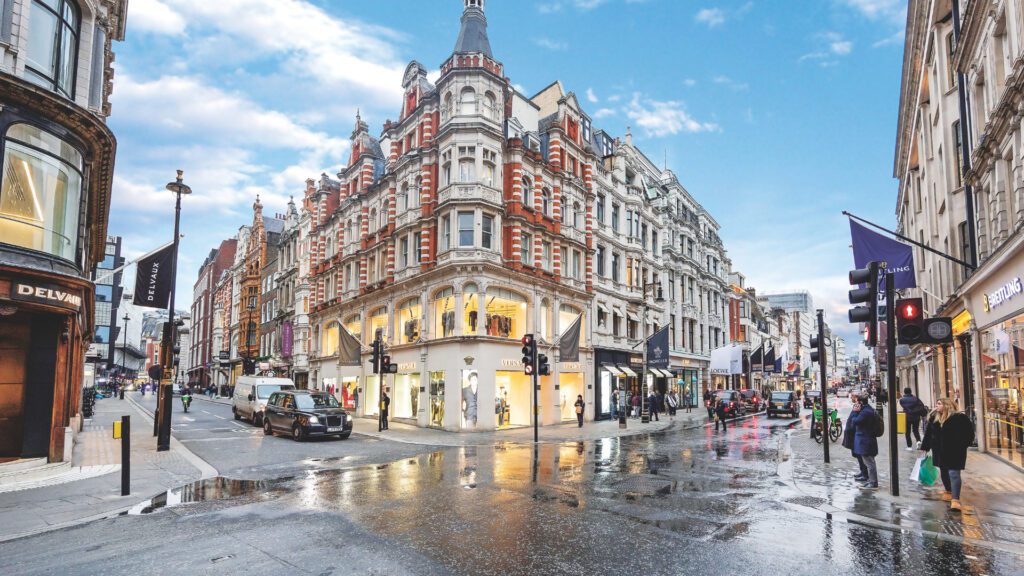
Bordered by Hyde Park, Regent Street, Piccadilly, and Oxford Street, Mayfair occupies a tiny but powerful pocket of central London where heritage and modern wealth collide. Buyers can move from a historic townhouse to a Michelin-starred dinner, then into a private members’ club before disappearing into a chauffeured car headed for Heathrow.
“It appeals to buyers who want convenience without compromising discretion,” Lasure explained.
That balance matters. Especially for Americans accustomed to the energy of Miami but increasingly drawn toward a more understated version of luxury. The preferences often translate in interesting ways. In South Florida, buyers may prioritize turnkey waterfront living, branded residences, and social access. In Mayfair, the same client may suddenly obsess over original Georgian detailing, garden square views, and architectural pedigree.
Scarcity also plays a role. Unlike newer luxury markets constantly adding inventory, Mayfair is largely built out and historically protected. Trophy properties remain limited, which only deepens the area’s long-term appeal.
The neighborhood’s global draw is also amplified by London itself. The city remains a financial and cultural crossroads connecting North America, Europe, and the Middle East, attracting wealthy families who increasingly live across multiple cities rather than anchoring themselves to one.
And perhaps that is what makes the Miami-Mayfair connection so compelling.
One city offers spectacle. The other offers restraint.
Together, they form the modern luxury circuit.